Rummy Guide: Turn Unused Cards Into Boundary Markers
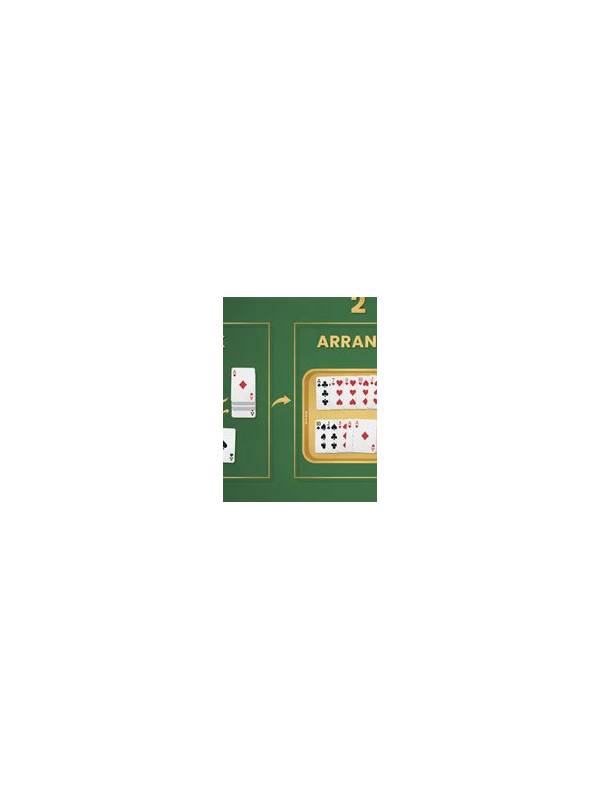
Sorting a hand is not only about finding groups. It is also about showing where one idea ends and another begins. Unused cards can help by acting as boundary markers while you inspect competing plans.
Mark the current structure
Place completed or highly credible groups together. Put cards with one active connection in a second area, and move isolated cards to a third. If an unused card could join two different areas, leave it between them rather than forcing it into the first pattern you notice.
This layout makes uncertainty visible. A card in the middle is not necessarily valuable; it is simply undecided. Naming that state helps prevent a weak pair from being mistaken for a committed meld.
Use boundaries during a turn
After drawing, place the new card beside the route it might improve. Then check whether it changes the role of a boundary card. Sometimes the best discard is the card that no longer separates two credible plans because one route has become clearly stronger.
If a card keeps moving between areas, stop and write down its possible jobs. A moving card often signals that the hand has too many untested plans. Choose a primary route, a backup route, and a card that can be released if neither develops.
Recheck before declaring
Boundary markers are especially useful before a declaration. Move each card through a final check: completed group, valid connection, or unexplained remainder. A neat row can hide a missing suit, duplicate use of one card, or an incomplete sequence. Physical separation makes those errors easier to see.
The method also works on small screens. Use consistent spacing, labels, or colors if the interface allows them, but do not rely on color alone. Suit and rank still need independent verification.
Unused cards are not merely dead space. They show where your reasoning is unfinished. By giving them a visible boundary role, you can sort more honestly, compare routes more clearly, and notice when a hand needs simplification rather than another hopeful draw.
If the interface automatically rearranges cards, recreate the boundaries with a brief written label: confirmed, developing, or open. The labels can be temporary and do not need to reveal the hand to anyone else. What matters is preserving the distinction between a group that has been checked and one that only looks promising at a glance.
When a boundary disappears, treat that as a review signal. The hand may have improved, or you may have merged two ideas without checking them. Recreate the separation, verify the cards, and then decide whether the merge is supported by the rules and by the available connections.