Rummy FAQ: Why Does a Good Card Still Need a Reason?
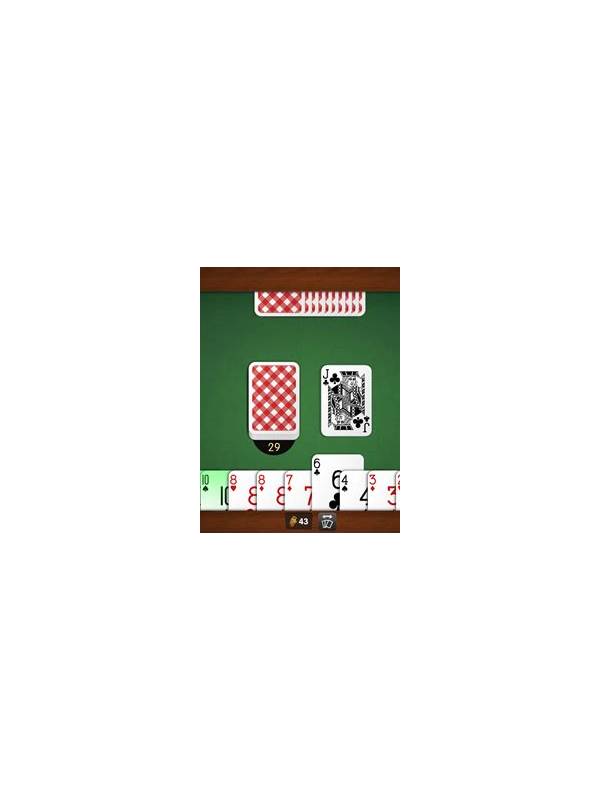
Why can a good card be a bad hold? A card may be strong by rank, flexible by theory, or attractive because it matches a visible card. But its usefulness depends on the rest of your hand. If it does not support a realistic sequence or group, it can add clutter and delay a better decision. “Good” describes the card; “useful” describes the card in context.
What reason should you require? Give the card one clear job. It may complete a nearly formed sequence, protect a pair with several possible matches, or serve as a bridge between two practical routes. The reason should use information you actually have, not a chain of unlikely future draws. If you cannot explain the job in one sentence, mark the card for review rather than assuming it deserves to stay.
Does flexibility always justify keeping it? No. Flexibility is valuable when it creates choices that are likely to matter. A card with many theoretical links may be less useful than a narrower card that completes a structure soon. Also consider the cost of holding it. If it prevents you from releasing a high-penalty card or keeps an abandoned route alive, its flexibility may be expensive.
When should the reason change? It should change when new information changes the hand. A draw may complete a different route, or several turns may pass without support. Review the card after meaningful events rather than defending the original idea. A good hold can become an ordinary discard when its best use disappears.
How can you practice? Take random hands and write a one-line job for every card you keep. Then remove cards whose jobs are vague or duplicated by stronger cards. This exercise improves prioritization without relying on a lucky result. The aim is not to reject attractive cards; it is to ensure that every retained card earns its place in the current plan. The reason can be temporary. A card may earn its place because it protects a route while you wait for one more piece, then lose that role after an unhelpful draw. Treat reasons as reviewable assignments rather than permanent labels. This habit is particularly useful when your hand contains several middle cards that look interchangeable. Give each one a job, compare the jobs, and release the card whose job is least valuable or least likely to be completed. When a card has no current job, do not force a job by imagining a perfect future draw. Mark it as uncertain and compare it with the other uncertain cards. This keeps your hand description honest and makes the next discard easier to defend. A clear “not yet useful” label is often more helpful than a vague claim that a card is promising.