Rummy Guide: Build a Personal Glossary of Table Terms
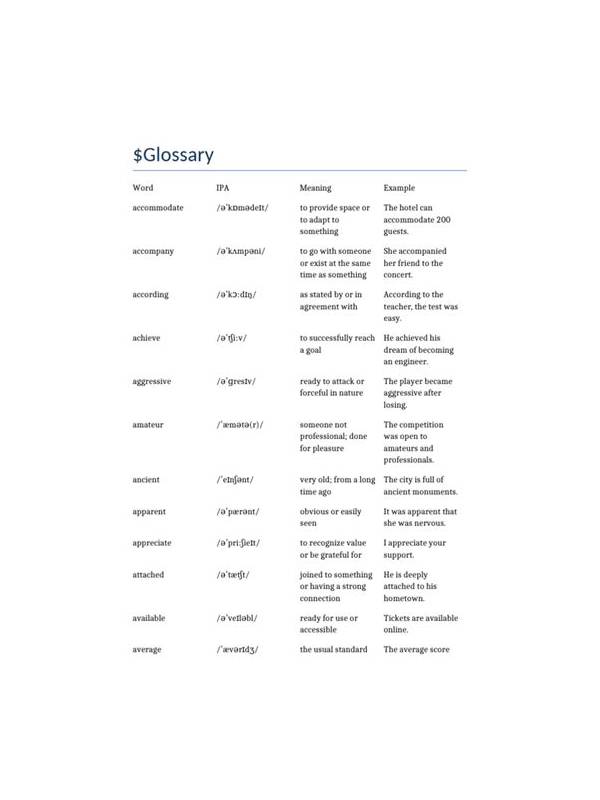
Rummy advice often uses words such as sequence, set, pure, impure, joker, meld, and declaration. These terms may have slightly different practical meanings across formats or platforms. A personal glossary helps you check the meaning that applies to the table in front of you instead of relying on a vague memory.
Begin with the words that affect legality. For each term, write a plain-language definition and one small example. Then add the rule source or screen where you confirmed it. Keep the example generic, such as three consecutive cards of one suit, and note any restrictions about jokers or wild cards. The goal is clarity, not a textbook.
Add a second group for decision language. Words like flexibility, dead card, connection, and fallback may describe strategy rather than formal rules. Define what you mean by each word in your own reviews. For example, call a card flexible only when it supports at least two realistic routes, not merely two imaginable ones. Shared definitions make your notes more consistent.
Review the glossary when entering a new format. Compare its terms with the current rules and mark differences visibly. Do not assume that a familiar label guarantees familiar scoring. If the platform uses an abbreviation or a button label you do not understand, pause before joining a consequential table and find the official explanation.
Keep the glossary short. Ten to fifteen useful entries are better than a long list you never open. Update it after a genuine misunderstanding, and remove duplicate wording. A clear reference card can reduce hesitation, protect against invalid declarations, and improve post-hand analysis without telling you which cards will arrive.
Use examples carefully. An example should illustrate the definition, not imply that the same cards are always best. Mark any assumptions about the number of players, wild cards, or scoring. If an official rule conflicts with a private note, update the note immediately. The official rule controls, and a glossary is valuable only while it remains current. Keep formal and informal terms visibly separate. A word used by players may be shorthand, while the rules may define a narrower condition. When teaching yourself, read the complete rule around the term rather than copying a single sentence from a forum. Ask what the term permits, what it forbids, and how it affects scoring. This three-question check turns vocabulary into practical understanding. If you encounter a new term during play, mark it for later rather than inventing a definition under pressure. A short pause and an official lookup can prevent a confident but invalid declaration. The glossary should make future decisions faster while preserving respect for the rules.