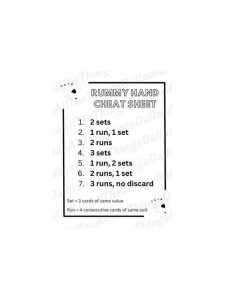
Rummy How-To: Create a Personal Decision Checklist
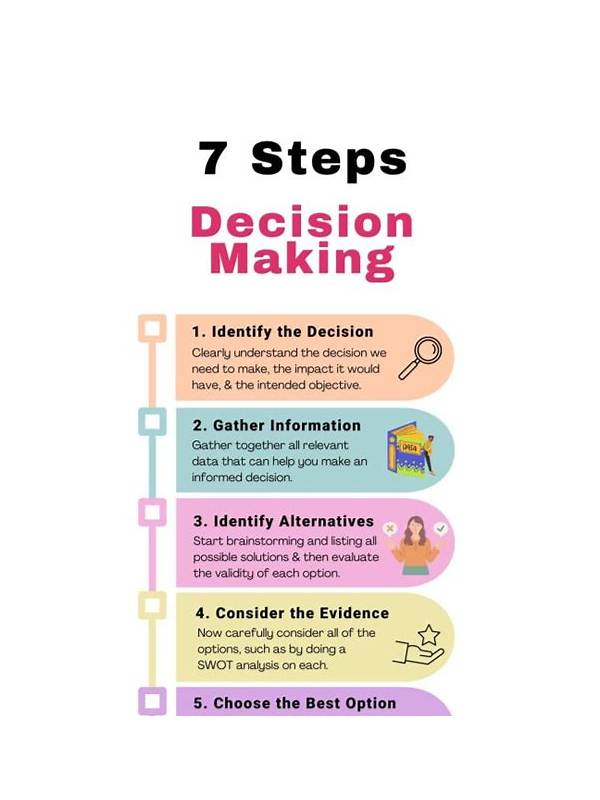
A decision checklist is useful when you want consistency, not when you want to play mechanically. Create one with four or five questions that fit your style and the rules of your chosen variant. The checklist should be short enough to remember and specific enough to change an action.
Start with legality. Ask whether the proposed group actually follows the table’s sequence, set, joker, and declaration rules. Many avoidable mistakes begin when a player plans around an arrangement that cannot legally finish. If the rules vary by platform, read the current help page or table description before relying on memory.
Add a structure question: “What is this card doing?” The answer might be “part of a confirmed group,” “supports two routes,” or “waiting for one exact rank.” If you cannot describe its role, the card deserves review. This question turns a vague feeling into a visible reason.
Use a timing question next. “How many turns will I give this plan?” A narrow route may be acceptable early but dangerous late. Setting a review point stops a weak idea from surviving simply because you have already invested cards in it.
Include a risk question: “What is the cost if this remains unmatched?” Consider points, flexibility, and the effect on your ability to build a valid hand. The cost is not just the number printed on the card. A low card can still be expensive if it blocks a better arrangement.
Finish with a calmness check: “Am I choosing from evidence or trying to repair the last result?” If you are tired, angry, rushed, or tempted to chase, pause before acting. A checklist cannot remove uncertainty, but it can expose when the decision is being driven by pressure.
Test the checklist in practice. If it takes too long, remove questions that rarely alter your choice. If it never changes your action, make it more concrete. Review it after several hands and adjust one item at a time. The goal is a repeatable decision process that supports attention, legal play, and responsible limits, not a promise of a particular outcome.
Keep the checklist visible but unobtrusive. It should never distract from table instructions, timers, or other safety controls. Update it only after a calm review, so temporary frustration does not become a permanent rule.
Review the checklist after a few sessions, not after every hand. Frequent changes can make it reflect mood rather than useful evidence.