Rummy Safety Checklist for Taking Breaks at the Right Time
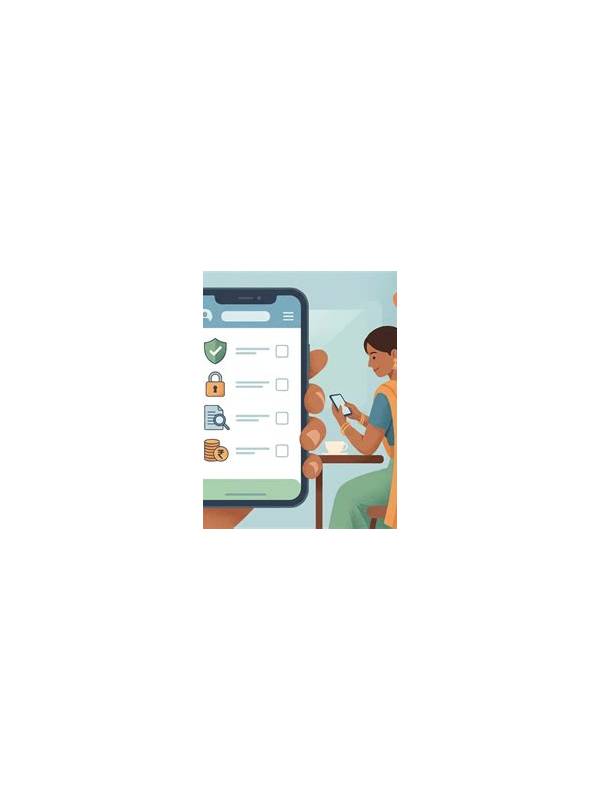
A break is part of responsible play, not an admission that a session went badly. Card decisions become less reliable when attention is tired or emotions are running high. A short checklist can help you pause before a normal game turns into an unplanned, stressful session.
Check your body first. Dry eyes, a stiff neck, hunger, and repeated yawning are simple signs that concentration is fading. Check your behavior next. Are you rushing turns, opening several unrelated tables, or ignoring a limit you set earlier? Finally, check your mood. Irritation, urgency, or a strong need to recover a loss can make ordinary decisions feel personal.
Use a pre-set rule. For example, pause after a planned number of hands, after a fixed amount of time, or as soon as one of your warning signs appears. The rule should be decided before the session because it is harder to negotiate with yourself during a frustrating result. A timer can help, but it should support your boundary rather than encourage you to continue until it rings.
When the rule activates, finish the current action safely if the platform requires it, then leave the table. Do not start another game while calling the pause a break. Step away from the screen, drink water, and do something unrelated for at least ten minutes. If the session involves money, review your balance only once and do not add funds during an emotional pause.
Returning is optional. Before reopening a table, ask whether you can describe your intended time and spending limit in one sentence. If you cannot, extend the break. You can also choose practice play or a non-money format while rebuilding focus, where available and lawful.
Keep a neutral note after the session: what triggered the pause, whether the rule worked, and what you will change next time. Avoid judging yourself with words such as “weak” or “undisciplined.” The purpose of the checklist is to create a repeatable safety system. If playing is causing financial, sleep, work, or relationship problems, stop and seek support from a trusted person or a local professional service.
You can also make the break easier by removing practical triggers. Close promotional messages, silence nonessential game notifications, and keep the device away while you rest. If another person manages shared finances, be transparent about any agreed limits rather than hiding a session. A break works best when the surrounding environment supports it. Treat the checklist as a personal safety tool that protects time and attention, not as a test of willpower.