
Rummy Safety: Protect Your Attention From Notifications
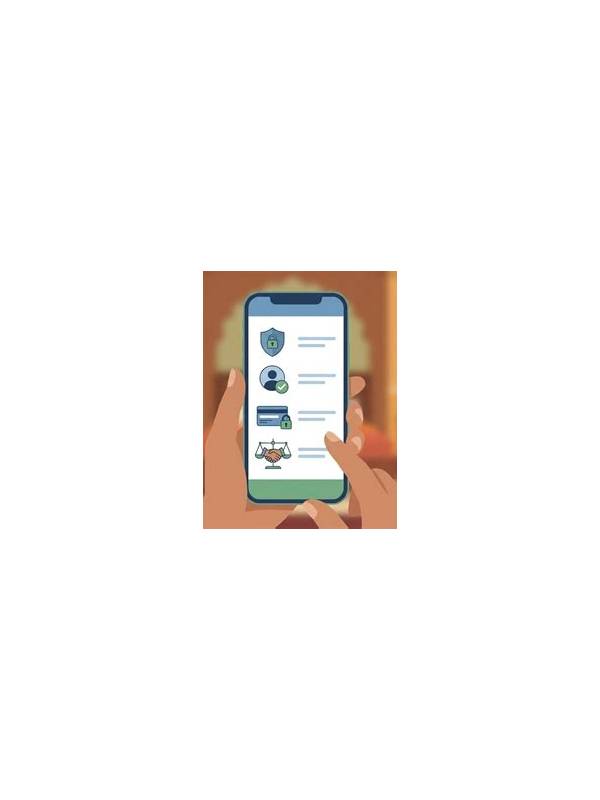
Notifications can make a short rummy session feel longer and less controlled. A message, promotion, or reminder may pull your attention away from the hand and then encourage you to return before you have decided whether you want to continue. Protecting attention is a practical safety habit, not just a performance trick.
Before starting, silence nonessential notifications or use a device mode that limits interruptions. Keep important contacts available through the settings that fit your circumstances, but remove promotional alerts and automatic invitations when possible. If the platform has a setting for reminders or re-entry prompts, review it before you play.
Set the session boundary outside the game. Decide how much time you have and when you will stop, then use a neutral timer if one is helpful. Avoid relying on the app’s next-round button to tell you when the session is over. A clear external boundary makes it easier to stop after a hand instead of following an endless sequence of prompts.
When an interruption occurs, pause before acting. Note whose turn it is, what your current route is, and what information you were about to use. If the interruption is important, leave the hand according to the rules and return later. If it is not important, finish the brief decision without opening another application. Switching contexts can encourage impulsive draws or rushed discards.
Watch for attention fatigue. Signs include rereading the same cards, missing obvious changes, or feeling that every draw must be acted on immediately. Take a break at that point. Continuing while distracted may reduce enjoyment and can make planned limits easier to ignore. A session is optional; you do not owe the table more time because you started.
Finally, review the notification settings after play. If an alert made you want to return automatically, change it before the next session. Small settings changes can support a healthier boundary without requiring willpower every time. The aim is to make deliberate play the easiest default and unsolicited play less intrusive.
Attention protection also improves your review. When the session ends without interruptions, you can remember why a decision was made instead of remembering only the alert beside it. That clearer memory supports useful learning and makes it easier to notice whether you are enjoying the activity. If the answer is consistently no, taking a longer break is reasonable.
Treat a missed notification as acceptable. Messages and offers can wait; a calm decision is more valuable than constant availability.


