Rummy Guide: Build a Decision Tree for a Difficult Draw
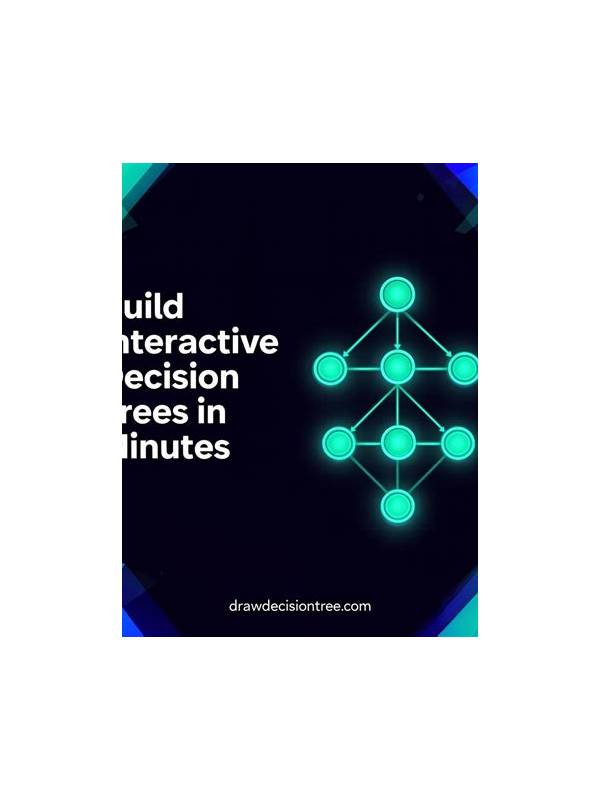
When several cards seem useful, players often compare them by instinct and choose the one that looks most complete. A decision tree makes the comparison visible. It does not predict the next card; it shows what each choice leaves you able to do.
At the first branch, list the available draw choices. For each choice, write the card or route it supports. At the second branch, list the most likely discard after that draw. This matters because a draw is never isolated: the card you keep changes the quality of the card you must release.
At the third branch, describe the missed-draw position. If the next card does not help, will you still have a valid sequence, a flexible pair, or a high-cost collection with no direction? Prefer branches that remain serviceable after a miss. A dramatic improvement with a terrible miss position is a fragile plan.
Add one defensive branch for opponent risk. Ask whether the discard reveals a clear route or supplies a card that could complete a visible pattern. Keep this question proportional; it should inform the choice, not create paralysis. If two routes are otherwise close, the less revealing discard can be a useful tie-breaker.
Use the tree only for genuinely difficult decisions. Building one for every ordinary draw is slow and may distract you from the table. After the hand, save a difficult tree as a practice example. Over time, repeated branches become familiar patterns, and you can make the same comparisons mentally in less time. Keep the tree readable. Three branches with clear notes are better than a page of speculative outcomes. If you cannot state why a branch matters, remove it. The most useful tree answers a focused question: which choice gives the strongest legal structure, best fallback, or least harmful discard? Once answered, act and record the result for later learning. A decision tree is especially helpful when two choices look equally attractive. Make the first branch the hand requirement, the second the completion route, and the third the missed-draw fallback. If one branch is clearly better on all three, the decision is settled. If not, use penalty and information exposure as tie-breakers. Write the tree on paper when the decision feels emotional. Seeing the branches can separate a real advantage from a vivid possibility. After the hand, keep the example only if it teaches a reusable comparison; discard clutter that will not help with another decision.