
Rummy How-To: Audit a Hand Before the Last Draw
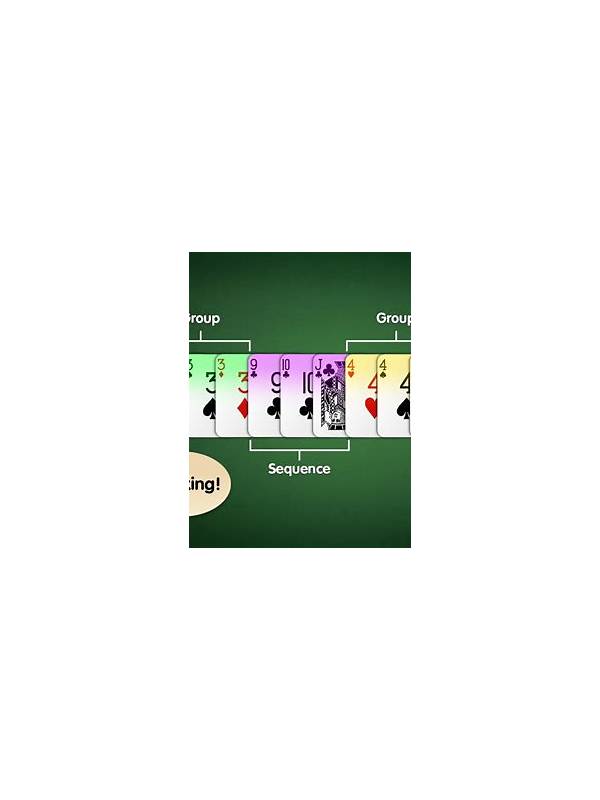
The last draw often feels urgent, but urgency is exactly why a short audit helps. Before drawing, pause long enough to inspect the whole hand rather than the one card you hope to receive. The goal is not to predict the result. It is to make the remaining requirements visible.
First, confirm the rule frame. Check the required number and type of sequences, the treatment of jokers, and whether any group must be pure. Rules differ across variants and platforms, so never rely on a familiar name alone. A structurally attractive hand can still fail if it does not satisfy the active declaration conditions.
Second, inventory every card once. Place cards into confirmed groups, developing groups, and unassigned cards. A confirmed group meets the relevant rule. A developing group has a specific missing requirement. An unassigned card has no dependable role. This inventory catches duplicate counting, especially when one flexible card appears to support two sequences.
Third, name the exact remaining needs. Write “one card of this suit between these ranks” or “one matching rank in a different suit,” rather than “one more card.” If the last draw cannot solve the hand completely, identify the best legal fallback. Knowing the fallback before drawing reduces the chance of forcing a bad arrangement afterward.
Finally, compare the possible draw with the discard you will make. The ideal card may improve one group but leave a high-value single behind. A less exciting card may produce a legal, lower-risk hand. After drawing, repeat the inventory and verify the declaration before confirming it. Read each group independently, then check that every card is used exactly once.
This audit should be brief enough for real play and detailed enough for practice. With repetition, the sequence becomes automatic: rule frame, one-card inventory, exact needs, fallback, final verification. The last draw remains uncertain, but your response to it becomes clearer and less rushed.
If the audit exposes an incomplete requirement, do not hide it with optimistic grouping. Separate what is legal now from what would become legal after one specific card. This makes your next discard more deliberate and prevents a rushed declaration from becoming an avoidable rules error. For a useful review, describe the decision in neutral terms. State the cards you could see, the route you preferred, the cost of keeping it, and the point at which you would change direction. This keeps the lesson tied to available information rather than hindsight. It also makes the habit easier to repeat in a later session. A short, specific explanation is usually more valuable than a long account of the final result.


