
Rummy Guide: Test a Declaration Before Submitting
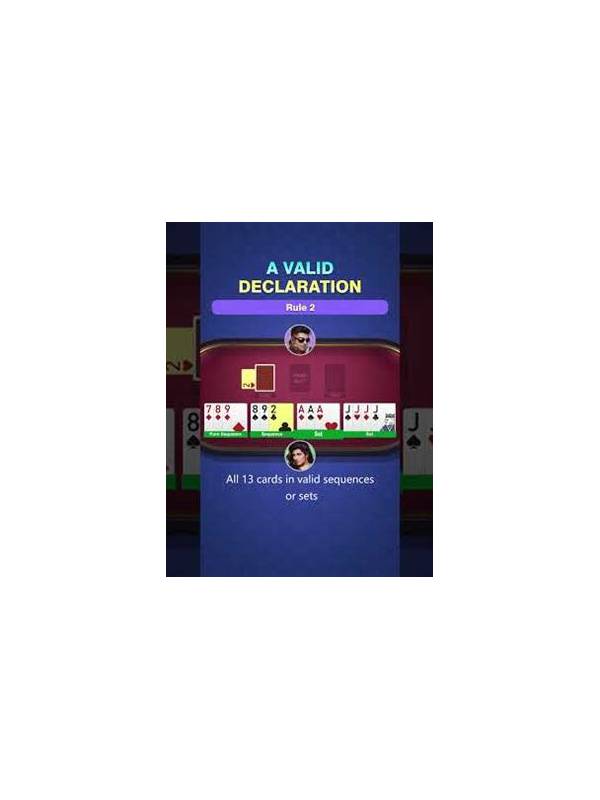
The moment before a declaration deserves a deliberate check. Excitement can make a player see the intended groups instead of the cards actually arranged in front of them. A short test reduces preventable invalid declarations.
First verify the format’s required structure. Count the groups and confirm any requirement for a pure sequence, additional sequences, or a particular number of cards. Do not rely on memory from a different table or variant. Rules can vary, so the active format and platform instructions take priority.
Second inspect each group independently. A sequence should follow the allowed rank order and use the correct suit relationship. A set should contain the permitted ranks and number of cards. Check jokers according to the format’s rules rather than assuming every substitution is legal. If a group needs a verbal explanation to seem valid, slow down and examine it again.
Third look for leftovers. Sort the cards mentally by group and identify every card that has not been assigned. A single ungrouped card can invalidate an otherwise strong arrangement. Also check whether one card has been counted twice because it appears to support two possible groups.
Fourth test the declaration against the current hand, not the hand you intended to build. A late swap, draw, or discard may have changed the structure. Confirm that the final card count and displayed groups match your actual action. If the interface provides a review screen, read it before pressing the final button.
Finally, pause for one breath. This is not a chance to invent a new strategy; it is a final accuracy check. If the declaration is not legal, continue playing when the rules allow it and rebuild the groups. If you are uncertain about a platform process, consult its official help information outside the pressure of a live turn.
The test cannot change a hand’s outcome, but it can prevent an avoidable technical mistake from deciding the result. Make it a routine whenever the format and time controls permit.
If the platform displays a warning, read the wording instead of dismissing it automatically. A warning may identify a missing group, an unsupported substitution, or a card left outside the declaration. When the message is unclear, use the official rules or help page after the hand to understand it. Do not let a previous successful declaration become proof that a different arrangement is valid. Keep confirmed groups visually separate from candidates so every card is counted once.
If the platform displays a warning, read the wording instead of dismissing it automatically. A warning may identify a missing group, an unsupported substitution, or a card left outside the declaration. When the message is unclear, use the official rules or help page after the hand to understand it. Do not let a previous successful declaration become proof that a different arrangement is valid.


