Rummy Tips: Use a Three-Column Hand Review
When a rummy hand feels confusing, the problem is often not a lack of ideas but too many ideas competing at once. A three-column review creates a temporary map. Label the columns “ready,” “developing,” and “release,” then place every card where it currently belongs.
The ready column contains groups that already satisfy a useful requirement, such as a complete sequence or set according to the variant being played. Do not keep moving these cards just because another arrangement looks attractive. A stable group gives you a foundation and reduces the number of decisions you must make.
The developing column contains pairs, connected ranks, and flexible cards with a plausible route. Give each developing group one sentence describing its need. For example, “this pair needs a matching rank” or “this sequence needs one middle card.” If you cannot state the need clearly, the group may belong in release instead.
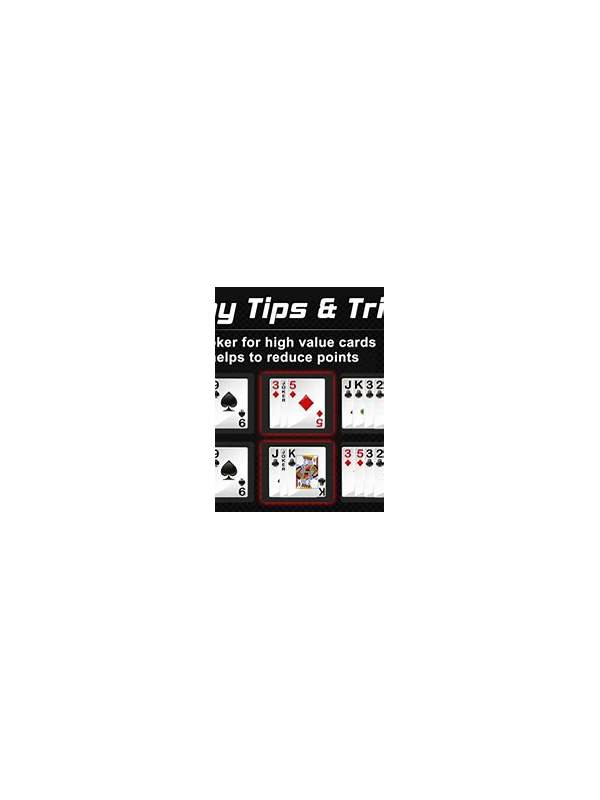
The release column is for cards that cost more attention than they return. High-value isolated cards often belong here, but so can a low-value card that blocks a stronger arrangement. Placement is not a permanent verdict. It is a snapshot that should change when a draw or discard changes the evidence.
After sorting, compare developing groups by completion cost. Count the missing cards, consider whether those cards are visible, and ask how many turns you are willing to spend waiting. A route needing one plausible card may be better than a route needing two precise cards, even if the second route looks more elegant.
Before discarding, check whether moving one card between columns improves the whole hand. A flexible card might connect two groups, while a duplicate may be more useful as a clean release. Avoid judging cards in isolation; judge the arrangement they create together.
This review also helps after a difficult hand. Save a brief note about which column was misread and why. Over time, you will learn whether you tend to protect weak pairs, abandon good routes too early, or hold isolated high cards too long. The method is quick enough for practice and structured enough to keep emotions from deciding every move.
The columns can also be used when the hand changes suddenly. After a useful draw, move only the affected cards first, then check whether the old groups still make sense. This prevents a single new card from causing unnecessary reshuffling. Before the turn ends, make sure the release column contains at least one realistic discard. Having a candidate ready reduces rushed choices and leaves more attention for the opponent’s visible information. The system is temporary, so do not worry about making a perfect layout; its purpose is to make the next decision visible.