Rummy Tips: Treat a Joker as a Commitment Test
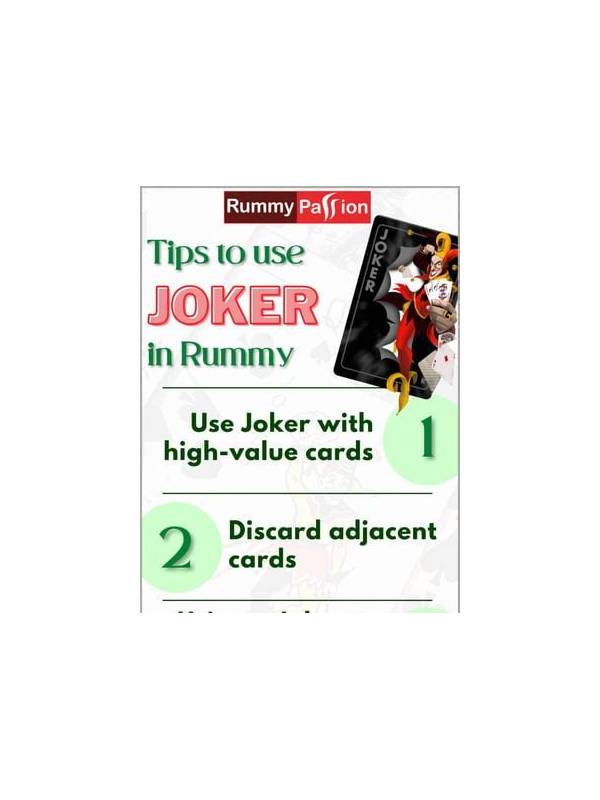
A joker can fill an important gap, but its presence can also encourage loose planning. Instead of treating it as permission to keep every card, use it as a commitment test: which arrangement becomes materially stronger when the joker is assigned there?
List your realistic routes before placing the joker. One route may complete a required sequence, while another only makes a weak pair look more attractive. Prefer the route that improves validity, reduces the number of missing cards, or protects a high-cost card. A joker used merely because it can fit is not necessarily a good use.
Check whether the joker is covering a gap that could be filled naturally. If a natural card is likely and the joker could rescue a more difficult structure, keeping it unassigned for a little longer may preserve value. Conversely, if waiting forces you to carry several awkward cards, an early assignment can simplify the hand.
Do not let the joker hide a bad foundation. A group still needs to follow the rules, and a flexible substitute does not make every surrounding card sensible. Review the full arrangement after placing it. Ask whether the group is now clear and whether the remaining cards have a practical plan.
Timing matters near the end of a hand. A joker that completes a necessary structure may be worth more than a theoretical future option. Use a final-check habit: verify the required sequences, confirm the number of groups, and make sure no card has been counted twice. This is especially important when rearranging several cards at once.
The joker’s real value is not magic; it is reduced commitment cost. Assign it where it buys the greatest improvement, then simplify the rest of the hand around that decision. This approach keeps flexibility useful without allowing it to become an excuse for delay.
Also check the rules of the specific format before relying on a joker. Variants can differ in how wild cards are assigned, whether a natural card can replace one, and what counts as a valid declaration. If the interface offers a rules page, read it before a high-pressure hand. A joker is only helpful inside the rules that govern it. Confirming those details prevents a confident arrangement from failing for a technical reason rather than a strategic one.
If you are unsure, leave the joker unassigned while you compare the remaining cards. A brief pause can reveal that the natural arrangement is already strong or that the joker belongs elsewhere. Flexibility is most useful when it is directed.