Rummy FAQ: How Can You Tell When a Hand Is Improving?
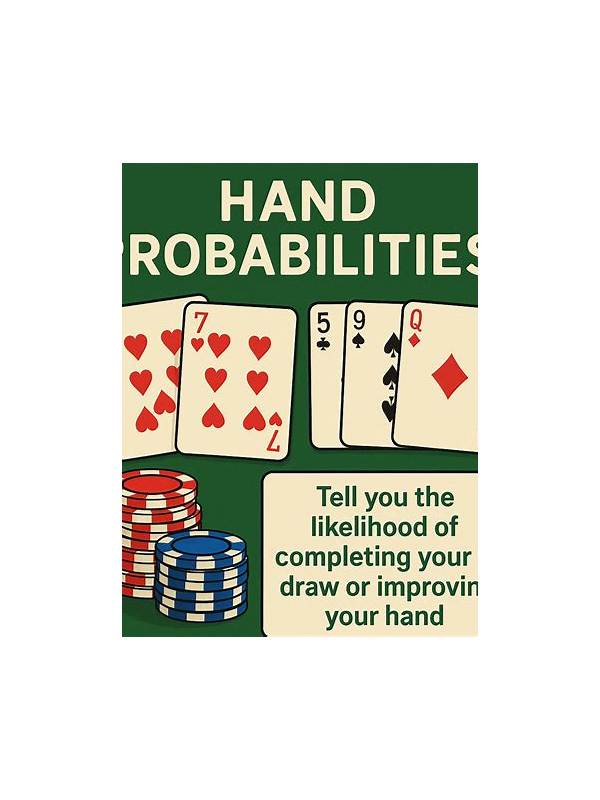
A hand can feel better after a draw even when its winning chances have not improved. A pleasing pair, a high card, or a familiar pattern can create optimism. To judge progress more reliably, look at three separate measures: legal structure, flexibility, and deadwood.
Legal structure asks whether your cards are moving toward the combinations required by the rules. A completed pure sequence is meaningful progress because it satisfies a firm condition. A second group that has only one missing card may also be useful, but remember the distinction between a partial idea and a valid meld. Progress should be measured against the actual declaration rules, not against appearance alone.
Flexibility describes how many reasonable next steps remain. A hand with two possible runs and a manageable unmatched card may be healthier than one with a completed pair and several isolated cards. Keep track of overlap: if two plans rely on the same missing rank, they may provide less flexibility than their number suggests. Variety of routes matters more than the raw count of ideas.
Deadwood is the cost of cards that do not currently contribute. High unmatched cards deserve attention, but a low card can also be deadwood if it has no realistic connection. Compare the total burden before and after each turn. A draw that reduces deadwood while preserving a legal sequence is usually clearer progress than a draw that creates a pretty but narrow pattern.
At the end of a turn, write a quick mental summary: one legal foundation, two possible improvements, and the most expensive loose card. If the foundation is stronger, the options are not narrower, and the loose-card burden is lower, the hand is improving. This framework avoids judging progress from a single exciting card and supports steadier decisions.
You can make the review concrete by comparing the hand at the start and end of a turn. Did one loose card become part of a real route? Did a route disappear? Did the number of expensive cards fall? These questions create a record of change rather than a feeling about the latest draw. Over several hands, the record can show which improvements you routinely overlook. You can make the review concrete by comparing the hand at the start and end of a turn. Did one loose card become part of a real route? Did a route disappear? Did the number of expensive cards fall? These questions create a record of change rather than a feeling about the latest draw. Over several hands, the record can show which improvements you routinely overlook.
Do not expect every improvement to be visible immediately. A draw may preserve a strong route without completing anything, which can still be valuable. Likewise, a completed group can be less useful if it leaves the rest of the hand scattered. Comparing structure, options, and burden gives a balanced picture.