
Rummy Tips: Separate Necessary Cards From Interesting Cards
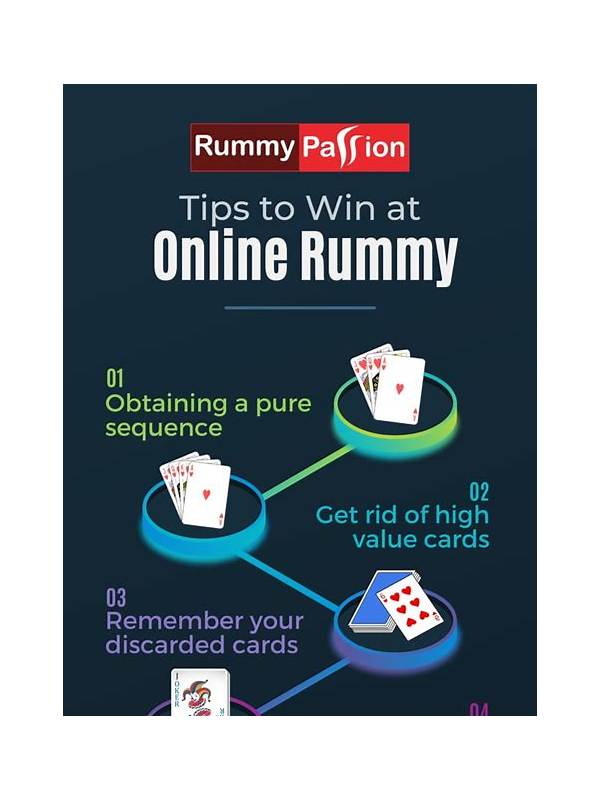
Rummy hands often contain cards that look interesting without being necessary. A neighboring rank may suggest a sequence, while a matching rank may hint at a set. The visual appeal of these possibilities can make a player hold too many cards at once. A useful discipline is to label each card as necessary, useful, or merely interesting before choosing a discard.
Necessary cards support a rule that your final hand must satisfy, such as a required pure sequence. They deserve protection until the hand contains a safer replacement. Useful cards support more than one reasonable route or reduce the number of unfinished groups. Interesting cards are possibilities that have not yet earned a place. They can be held briefly, but they should compete for space with stronger options.
Make the classification after sorting by suit and rank. A card that looks weak in isolation may connect two existing cards. Conversely, a pair that appears promising may be difficult to finish if its missing cards are narrow. Consider the whole group rather than the card’s face value. High cards are not automatically bad, and low cards are not automatically good; their value comes from how efficiently they fit your structure.
Reclassify after every meaningful draw. A useful card may become necessary when it completes a pure route, while a necessary card may lose its role when another card provides the same function. This prevents early assumptions from controlling the rest of the hand. It also makes discarding easier because you can explain why a card is leaving instead of following habit.
The method is especially helpful when a joker is present. A joker can make several groups look possible, but it should not hide the fact that some cards are redundant. Protect the route that satisfies the hand’s essential condition first. Then compare the remaining cards by flexibility, completion distance, and discard risk. Clear labels do not guarantee a winning hand, but they make each decision more deliberate and easier to review later. Labels are most useful when they remain temporary. A necessary card can become replaceable, and an interesting card can become useful after one draw. Avoid writing a permanent story about the hand. The goal is to keep attention on current evidence. If you are playing online, use the sorting display to support this check, but do not let automatic grouping decide which cards matter.nnYou can also use the method away from a live table. Deal a small practice hand, classify each card, and explain which card would change each label. This builds the habit of looking for function rather than appearance. Keep practice free from pressure and stop when concentration drops.
Labels are most useful when they remain temporary. A necessary card can become replaceable, and an interesting card can become useful after one draw. Avoid writing a permanent story about the hand. The goal is to keep attention on current evidence. If you are playing online, use the sorting display to support this check, but do not let automatic grouping decide which cards matter.
You can also use the method away from a live table. Deal a small practice hand, classify each card, and explain which card would change each label. This builds the habit of looking for function rather than appearance. Keep practice free from pressure and stop when concentration drops.


