
Rummy Comparison: Open-Ended and Closed Sequence Plans
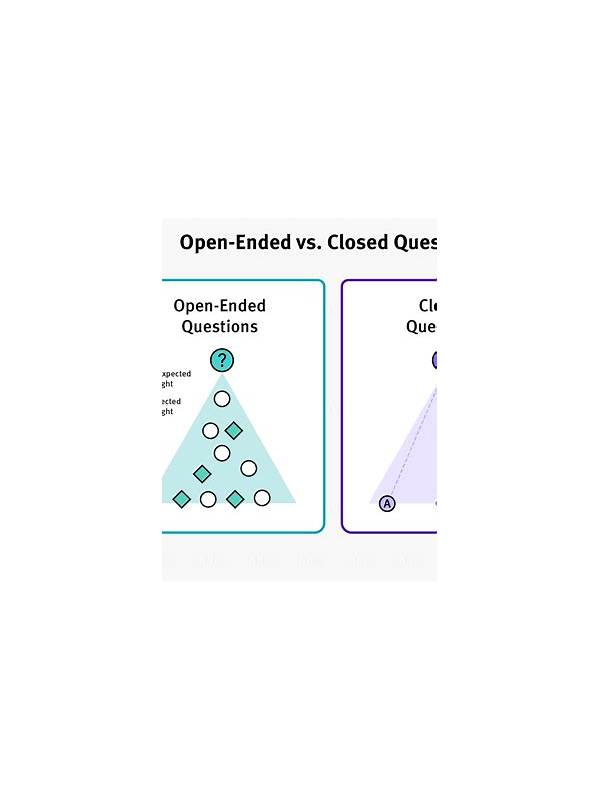
An open-ended sequence plan has useful continuation on both sides of a connected group, while a closed plan can be completed from only one narrow direction. The distinction is useful because two groups with the same number of cards may have very different practical prospects. Count the available routes, not just the cards already held.
Suppose a hand contains a middle pair with a low or high neighboring card available on either side. That structure may accept more than one rank and can survive an unexpected discard. A closed plan near an edge has fewer possible additions. It may still be correct to keep the closed plan if it is part of a required pure sequence or is one card from completion, but its limited flexibility should be recognized.
Compare plans using three measures: distance to completion, number of useful additions, and replacement cost. Distance asks how many cards are missing. Useful additions asks how many ranks can improve the group. Replacement cost asks what you must give up to preserve the plan. A nearly complete closed sequence can beat a distant open-ended plan, especially when keeping the latter forces you to release a stronger group.
Do not treat open-ended plans as automatically superior. They can invite overholding because they appear flexible. If several cards are needed before the plan becomes a valid group, the flexibility may be theoretical. Also consider whether the route helps satisfy the hand’s specific requirements. A flexible impure group cannot substitute for a missing pure sequence when the rules require one.
During a round, reassess after each draw. An open-ended plan may become closed when one side is discarded or when another card creates a better use for the bridge. A closed plan may become less important if a new card opens a second route. This comparison works best as a calm structural check, not as a promise about the next draw.
An open-ended plan may receive many nearby cards and still fail to create a legal group. In that case, the route has visual movement but little completion value. A closed plan that actually finishes can be preferable, provided it does not violate the hand’s essential conditions. Flexibility is useful only when it can become a valid result.
When practicing, create examples with the same number of held cards but different continuation counts. Ask which route you would protect and what discard would change your mind. This exercise builds flexibility without requiring a live table. No comparison removes the randomness of the draw.
Also consider the suit and rank distribution around each route. A plan that is open on paper may be weak if the useful cards are concentrated in one narrow area. Conversely, a closed route may be safe when its missing card is clearly available and the replacement cost is low. Structure and context must be read together.


