
Rummy Hand Review Using Three Useful Questions
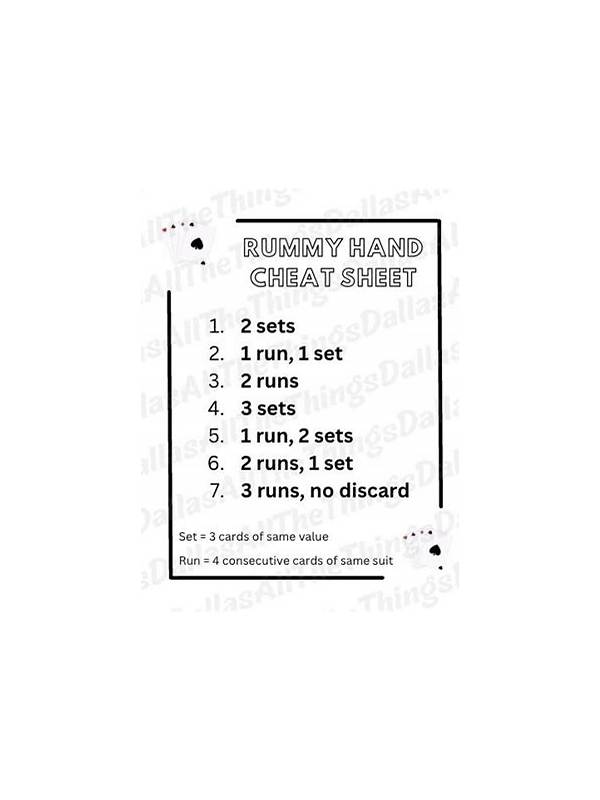
A hand review is most helpful when it produces one clear lesson. Trying to reconstruct every alternative can turn practice into another source of confusion. A compact review can use three questions: what information was available, what plan was chosen, and what changed after the choice?
Begin with information, not the result. Record the visible cards, the discard you considered, and the rules that applied. If you remember the table incorrectly, mark the memory as uncertain. This distinction matters because a winning result can follow a weak decision, and a losing result can follow a reasonable one. Reviewing the result first often encourages hindsight.
The second question concerns the plan. Before each important draw or discard, what were you trying to build? A plan might have been a natural sequence, a set, a safer point profile, or a flexible hand while waiting for more information. If there was no plan, write that plainly. “I kept it because it looked useful” is a starting point for improvement, not an embarrassment.
The third question asks what changed. Did a new card create a better route? Did the discard pile provide evidence? Did the timer, a distraction, or an emotional reaction alter the decision? Look for the first moment when the old plan stopped matching the hand. That moment is often more valuable than the final declaration.
Keep the review short enough to repeat. A five-minute note can include the three answers, one alternative discard, and one rule to test next time. Avoid writing a long list of every card you might have drawn. If an alternative depends on information that was unavailable at the time, label it as hindsight rather than treating it as an obvious mistake.
Over several sessions, compare the notes for recurring patterns. You may discover that you abandon good routes too early, hold high cards while waiting for narrow draws, or forget to verify the required pure sequence. Choose one pattern for the next practice session. A useful review is not a verdict on your ability; it is a small experiment that makes the next decision more deliberate.
Keep facts and interpretations in separate lines. “The eight was visible” is a fact; “the opponent wanted a sequence” is an interpretation. This separation makes later review more honest and helps you improve observation without pretending to know information that the table never provided.
At the next session, test only the chosen lesson. If the lesson was “check the open pile before discarding,” record whether that check happened and what it changed. A focused test creates a useful bridge between review and deliberate practice.


