Rummy Session Notes That Improve Your Next Review
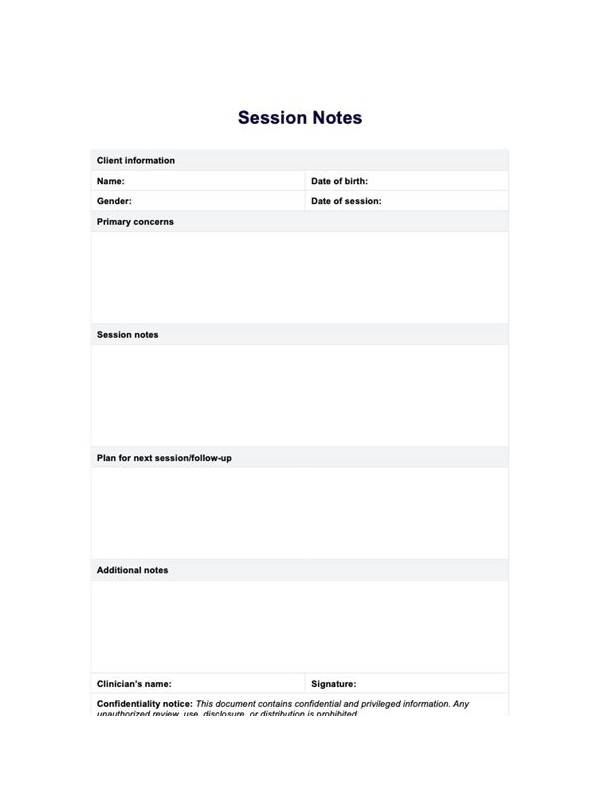
Session notes are useful when they describe decisions rather than simply recording wins and losses. A short neutral log can show where attention, timing, or rule knowledge affected play. It can also help you stop repeating the same avoidable mistake.
Record the format, planned duration, and the point at which you stopped. These details provide context for later review. A result from a long tired session should not be compared directly with a focused practice hand. Note whether the rules were familiar and whether the interface presented any difficulty.
For individual hands, capture one key decision. You might write, “Kept a high singleton for three turns while waiting for a narrow connector,” or, “Declared after checking the pure sequence and set.” Avoid recording every draw. The purpose is to preserve a decision you can examine, not create an exhausting transcript.
Use three review labels: rule issue, planning issue, or ordinary variance. A rule issue means you misunderstood a declaration or scoring requirement. A planning issue means you ignored clear alternatives or failed to re-sort. Ordinary variance covers a reasonable choice that did not produce the hoped-for card. This category prevents hindsight from making every miss look like a mistake.
Add one adjustment for the next session. It could be “check the room rules before joining,” “review the hand after five turns,” or “stop when concentration drops.” One adjustment is more likely to be remembered than a long list of promises.
Keep notes private and avoid including passwords, payment data, or other people’s personal information. Review them after a break, not immediately after an upsetting result. The goal is learning and self-awareness, not self-criticism. Over time, a simple record can show which formats suit your attention and when taking a break is the best decision.
Review the notes in batches rather than after every hand. Look for repeated situations, such as holding unsupported gaps, misreading one control, or continuing after concentration has fallen. A pattern is more useful than a single anecdote. If a note contains an uncertain memory, mark it as uncertain instead of rewriting it as fact. That small distinction keeps the review honest. The purpose of documentation is to improve the next decision and support a healthy boundary around play. Notes can also record positive habits, such as checking the rules or stopping on time. Recording only errors creates a distorted picture and makes review unpleasant. A balanced log shows what to retain as well as what to change, which supports steady improvement without encouraging longer or riskier sessions.