Rummy Practice Contrast: Compare Similar Hands Side by Side
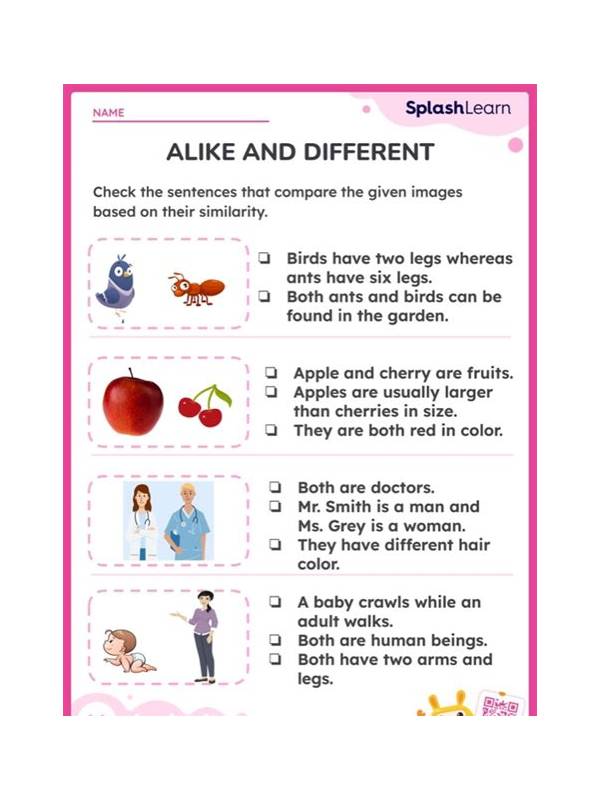
Single-hand practice can make a decision look obvious after the result is known. Contrast practice is more useful: place two similar hands side by side and compare the one detail that changes the preferred action. This exposes the principle behind a choice instead of rewarding hindsight.
Choose a pair of hands with a shared feature. Both might contain a connected middle-card pair, two high singles, or a possible set. Change one element, such as the availability of a pure sequence, the presence of a joker, or the number of routes supported by a card. Keep the rest of the position as similar as possible.
Before deciding, write the same questions for both hands. What is secure? Which route needs the fewest specific cards? Which discard has the lowest replacement burden? What happens after one ordinary miss? Answer independently before looking at the contrast.
Then compare the answers. Perhaps a connector is valuable in the first hand because it supports two routes, but ordinary in the second because one route is already secure. Perhaps the same high card should be kept when it completes a set possibility and released when it has no connection. The difference should be explained by structure, not by a vague feeling that one hand is “better.”
Use a standard deck or a private practice tool if you do not have saved positions. Do not use automated assistance in a live game unless the platform explicitly permits it. The exercise is about reasoning, not finding an external answer.
After both hands, create one rule of thumb with a condition attached. For example: “Keep a flexible connector when it supports two realistic routes, but release it when both routes depend on the same missing card.” Conditional rules are safer than absolute slogans.
Repeat with different features and occasionally reverse the result expectation. The aim is to become sensitive to context. Side-by-side comparison builds that sensitivity quickly because it makes the important difference impossible to overlook.
Keep the examples small enough to explain aloud in under a minute. If the explanation needs a page of exceptions, the positions may differ in too many ways. The best contrast exercises make one structural change visible, then let you test whether that change really deserves a different discard or route choice.
Save only examples that teach a reusable distinction. A memorable hand is less valuable than a clear comparison you can recognise in a new position.