Rummy How-To: Mark Cards That Serve Two Different Groups
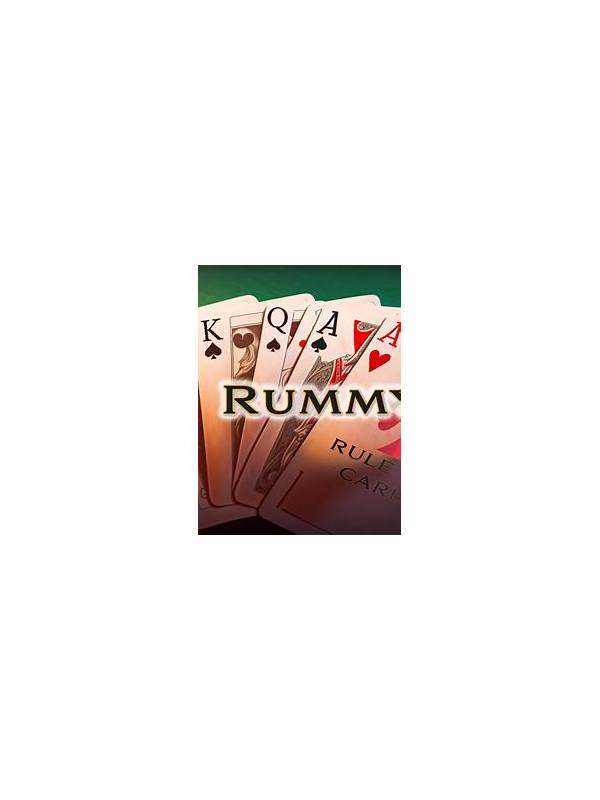
A card that belongs to two possible groups is often more valuable than a card with only one obvious use. Finding these dual-purpose cards is a practical way to organize a rummy hand, especially when the table is moving quickly. The exercise does not require notation or advanced counting; it requires comparing possible homes.
Start with near sequences. A six of clubs may connect to a five or seven of clubs. If you also hold another six, that rank may support a set. The six therefore has two broad identities: it is part of a suited run and part of a same-rank group. A nine could similarly connect on one side while joining a pair. Mark these cards mentally as flexible.
Then identify cards that appear flexible but are not. A card may seem useful because it is close to another card, yet the required sequence could be blocked by the rules or by an already weak structure. A lone ace, for example, does not support every neighboring rank in the same way as a middle card. A joker may substitute for several missing cards, but using it in one place removes its availability elsewhere.
Once the dual-purpose cards are clear, protect the group that supports your most important requirement. If one possible arrangement creates a pure sequence and another only creates a low-value set, the pure sequence usually deserves priority. If both are equally useful, keep the arrangement that leaves more flexible cards available.
When choosing a discard, prefer a card with one narrow use over a card with two realistic uses. Recheck this after every draw because a new duplicate or connector can change the classification. A card that was essential may become redundant, while a formerly isolated card may suddenly bridge two groups.
This method is valuable because it turns a crowded hand into a map of options. You are not trying to preserve every possibility. You are deciding which possibilities are genuinely supported and which cards can be released without closing too many doors.