Rummy Tips: Read a Joker as a Commitment, Not a Guarantee
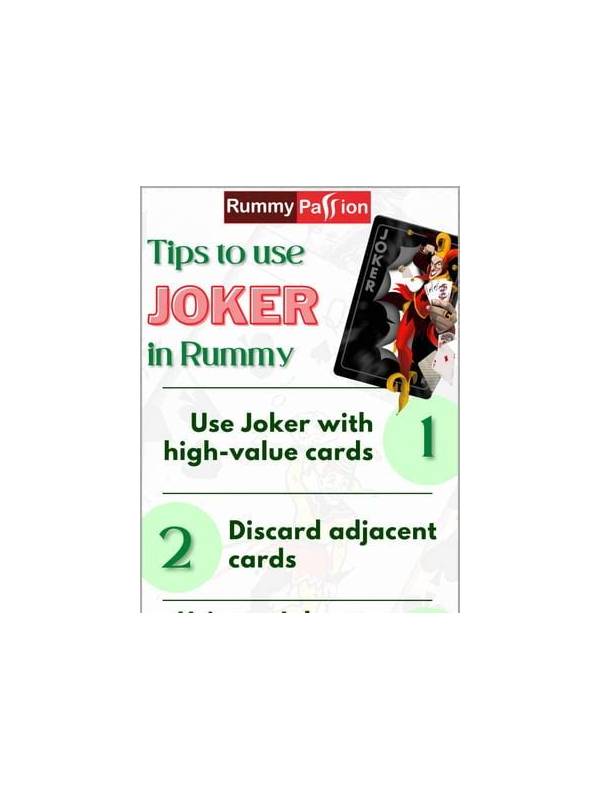
A joker can make a rummy hand look safer than it is. Because it can substitute for a missing card under the applicable rules, players sometimes treat it as a guarantee that several plans will work. A better approach is to view the joker as a flexible resource with a current assignment.
Start by placing the joker in the group where it solves the most important problem. That may be a required sequence, a group with several natural cards already present, or a structure that protects high-value cards from remaining isolated. State the missing card it represents. This makes the commitment visible and prevents the joker from being silently counted in two groups.
Then compare the opportunity cost. If the joker completes a secondary set but could protect an unfinished pure sequence, the sequence may deserve priority. If a natural card arrives, reassess the assignment instead of leaving the joker where it was by habit. A joker freed by a natural card can change the value of the whole hand.
Avoid using a joker to justify keeping unrelated cards. A joker may repair one group, but it does not automatically make a pair or orphan valuable. After assigning it, review the remaining cards as if the joker were unavailable. This reveals which cards still need a realistic plan and which should be released.
Late in a hand, verify the exact rule for jokers and declarations. Different rummy formats may distinguish printed jokers, wild jokers, and pure sequences. Never assume that a visually complete group is valid without checking the applicable rules. If the platform’s instructions are unclear, pause and seek its official help information before risking a declaration.
In practice, deal hands with one joker and record three assignments: strongest requirement, highest flexibility, and safest release. Compare the results. The exercise teaches that joker value depends on context. It is powerful because it preserves choice, but once assigned it still represents one card and one decision.
Treating a joker as a commitment rather than a guarantee keeps the hand honest. You can use its flexibility without allowing it to hide weak structure or delay a necessary pivot.
If you cannot explain the joker’s current role, pause before drawing another card. Reassigning it may simplify the hand, but only after the natural cards and the declaration requirements have been checked.