Rummy How-To: Compare Two Possible Groupings
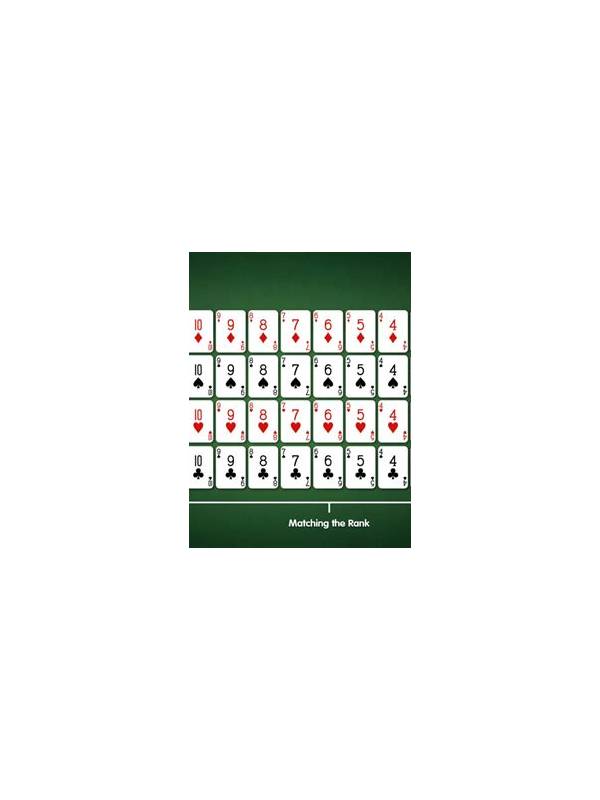
Some rummy cards can be arranged in more than one plausible way. Instead of switching repeatedly, compare the arrangements side by side. This makes the trade-off visible and helps you protect the structure that offers the best next decision.
Write down the groups in your head or on a private practice sheet. For each arrangement, note the number of complete groups, the cards still needed, and whether the foundational requirement is satisfied. A plan with fewer cards in a tempting chain may still be better if it is already legal and leaves a flexible spare card.
Then compare improvement routes. How many ranks or suits can help? Does the route depend on one exact card? Can a card serve another group if the plan changes? Broad routes are valuable, but do not let them outweigh a secure legal structure without a reason.
Add penalty and information. High ungrouped cards cost more if the hand ends, and taking a visible discard can show your direction. These factors are tiebreakers when both arrangements have similar structure. The aim is not to calculate perfectly; it is to use the same questions consistently.
Choose the arrangement that preserves one strong foundation and at least one sensible exit. If neither is clearly better, discard the card with the narrowest future role. Revisit the comparison only when a new draw changes the structure. A side-by-side test turns ambiguity into a manageable decision.
Pay attention to unused cards in each arrangement. A plan that groups the same number of cards may leave one card close to a sequence and the other isolated. Verify the actual rules and foundation first, then use flexibility and penalty as refinements.
Commitment does not mean refusing to adapt. It means choosing a working arrangement so each new card can be evaluated against something. Without one, every draw creates a new puzzle; with one, the question is whether the card improves the current plan or justifies a deliberate switch.
This also reduces mental clutter. You can remember the chosen arrangement, the next improvement you want, and the card most likely to be released. Those three details are enough for many ordinary turns.
If the comparison remains close, choose the arrangement that is easiest to audit. A simple layout reduces the chance of misreading a joker or forgetting a requirement when the hand ends. Keep the alternative mentally available for one turn, then commit when the next draw provides evidence.