Rummy Guide: How to Read the First Three Turns
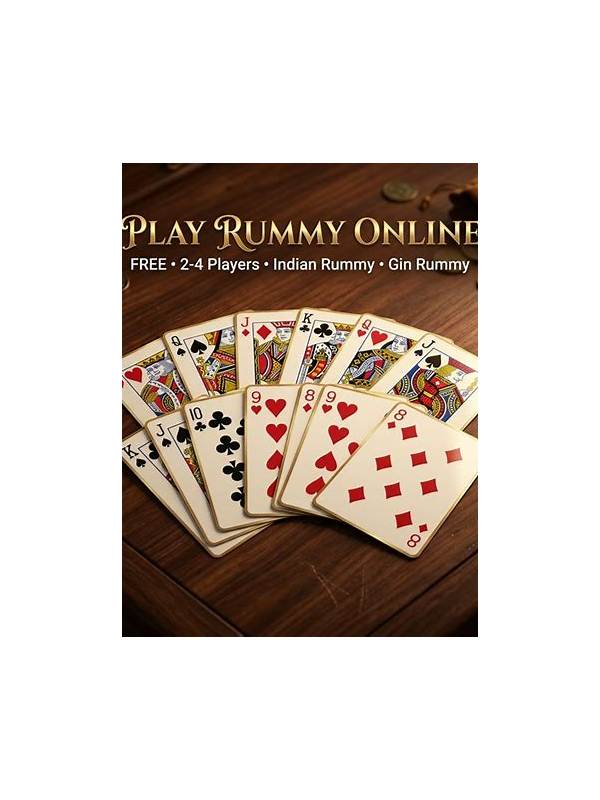
The first three turns in a rummy hand are less about finishing a set and more about learning what the table is offering. A calm opening routine can prevent the common mistake of treating the first useful-looking card as a permanent plan.
Begin by sorting your hand by suit, then mark three things: cards already close to a sequence, isolated high cards, and cards that could connect in more than one way. A seven of hearts beside a six or eight has immediate structure. A lone king has value only if another king or a useful sequence develops. Flexible middle cards deserve attention because they can often join two different patterns.
On the first turn, ask what your hand needs rather than what card looks attractive. If you need a heart, drawing a heart may be reasonable, but do not ignore the cost of keeping several disconnected cards. After the draw, reconsider the complete hand and discard the card that creates the fewest future options. This is usually an isolated high card, though the right choice depends on the visible discard history.
The second turn is an information check. Which cards have opponents declined? Which suits are appearing in the discard pile? A discarded card is not proof that a suit is useless, but repeated appearances can make one path less promising. Keep notes mentally without assuming opponents have perfect plans. People discard cards for many reasons, including reducing points or hiding their intentions.
By the third turn, choose a provisional direction. It might be one pure sequence plus a flexible group, or it might be a low-point hand while you wait for a connector. The word provisional matters. Reassess after every draw. A good plan should make your hand simpler, not merely more exciting.
Avoid judging the opening by whether you already have a complete group. Judge it by whether each turn reduces uncertainty. If your hand remains scattered after three turns, release the most expensive card and rebuild around the strongest two-card connection. This method keeps decisions practical and helps you avoid chasing a single unlikely card.
Finally, set a time and spending limit before playing for stakes, and stop if the session no longer feels controlled. Better reading comes from clear decisions, not from extending a frustrated session. n+Keep the opening routine short enough to repeat. If it takes longer than the turn window, practice it away from the table until sorting and ranking become automatic. The goal is not to predict every card; it is to maintain a useful picture of the hand while new evidence arrives.