Rummy Tips: Keep One Flexible Middle Card
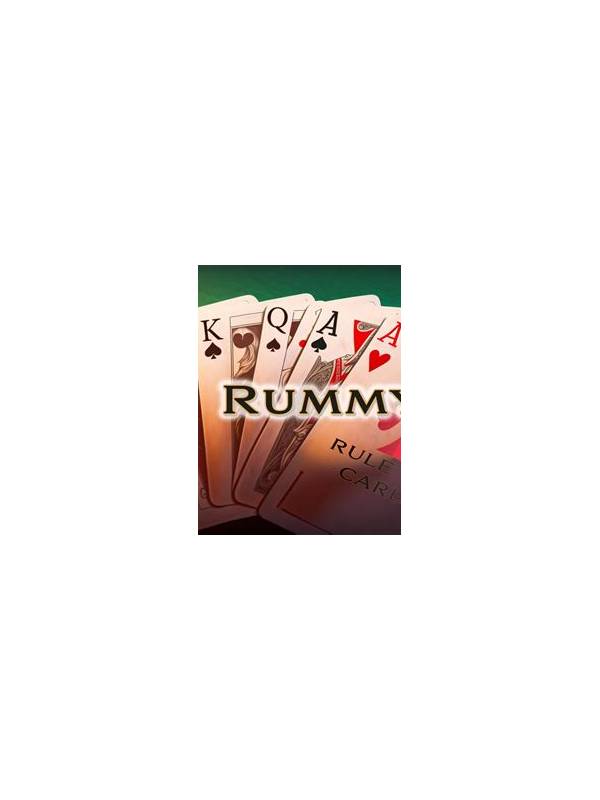
A middle-rank card can be valuable because it may connect to cards on either side. Keeping one flexible middle card can protect a hand from becoming too dependent on a single route. The habit works only when you test the card’s actual connections instead of treating every neighbor as guaranteed help.
Begin by naming the card’s roles. Can it extend a sequence already in your hand? Can it join a pair or set plan? Does it reduce the risk of an otherwise isolated group? If the card has only one imagined use, it is not truly flexible. Write down the useful ranks and suits so the claim remains specific.
Compare that card with your most expensive discard candidate. If keeping the middle card forces you to hold a high isolated card, the flexibility may not justify the cost. If the card completes a legal structure or supports two separate routes, it may deserve priority. The correct choice changes as new cards appear.
Set a review point. After one or two draws, count how many of the card’s routes still exist. If the useful exits have disappeared, release it without regret. If a route has strengthened, reorganize the hand and decide whether the card is now part of a committed group rather than a floating option.
Flexible does not mean untouchable. Holding too many connectors can create a hand that is full of possibilities but short on completed groups. Keep one or two genuine options while building a clear primary route. This balance gives you room to adapt without allowing a vague promise to delay every necessary discard. Do not confuse a middle card with a guaranteed connector. Its value depends on the cards around it and on the rules for sequences. A seven may be useful in one suit and irrelevant in another, even when the rank looks central. Check the actual suit and direction before counting it. If two flexible cards compete for the same missing card, keep the one with the better second route. That small comparison prevents a hand from filling with duplicates of the same hope. Review the card again whenever the discard pile removes one of its exits. Its flexibility is useful only while the card has at least one credible route that fits the whole hand. When that route disappears, release the card and rebuild the comparison with the information now available. One genuine alternative is enough; holding several speculative connectors can make the hand harder to finish.