Rummy Tips: Compare Two Discards Before You Commit
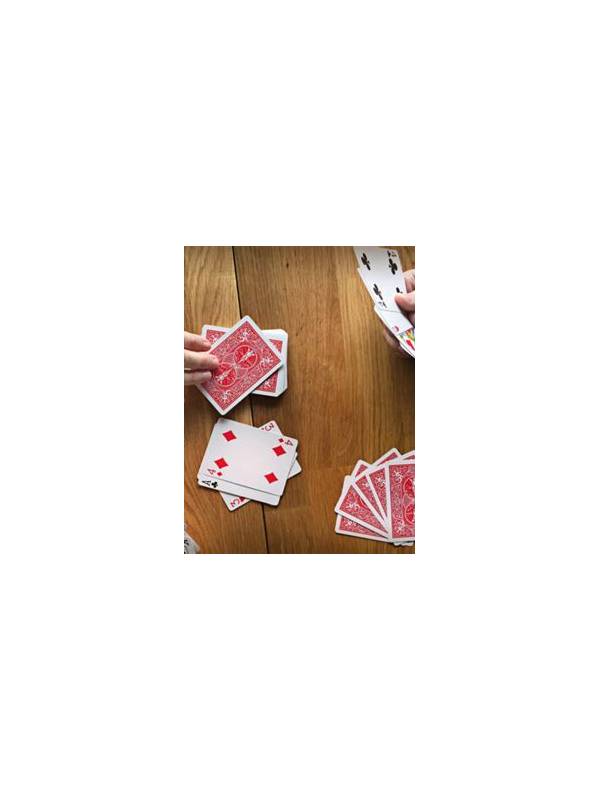
Some turns offer no perfect discard. You may have two isolated cards, two medium-value cards, or a pair that is useful but not yet part of a legal group. In these moments, choosing the first card that looks slightly worse can create avoidable problems. A short comparison gives the decision a repeatable structure.
Start with immediate value. A high card that is not connected usually carries more penalty risk than a low card, but value alone should not decide the turn. Examine whether each candidate can join a run on either side. A middle card often has more possible neighbors than an ace or a ten, depending on the format and hand structure. Keep the card that gives your hand more realistic next draws.
Then compare group dependence. If one candidate is the only bridge between two useful parts of your hand, discarding it may destroy more than one possibility. Conversely, if a card supports a pair that has no credible route to a set, its apparent support may be misleading. Count the actual routes rather than the number of cards sitting next to it.
The third test is information. Discarding a card can tell an observant opponent what you are not pursuing. When two candidates have similar value and flexibility, prefer the discard that reveals less about your remaining plan. This is not about trying to hide every clue; it is about avoiding unnecessary clarity when the strategic difference is small.
Finally, test the decision against the next draw. Imagine drawing a card that helps each candidate. Which retained card would produce a cleaner hand? Imagine drawing nothing useful. Which discard leaves fewer points and fewer awkward leftovers? This two-scenario check takes only a few seconds. It also prevents outcome bias later: you can explain why the choice was reasonable even if the other card would have completed a lucky combination.
The comparison should remain proportional to the decision. If one card is clearly expensive and the other is clearly useful, act quickly. Use the full check only when the candidates are genuinely close. This keeps the method from slowing down every turn and reserves careful thought for the places where it can change the result.
You can also use the method in practice games without focusing on the final score. State which two cards you compared, what evidence supported the choice, and what later information changed your view. That review builds decision quality independently of whether the retained card happened to arrive.