Rummy FAQ: What Does a Flexible Card Really Offer?
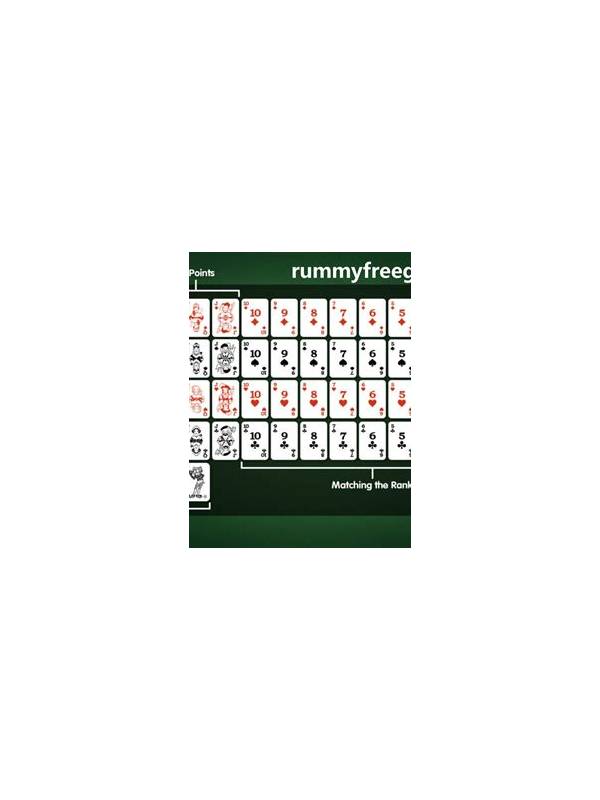
A flexible card is often described as valuable because it can join several combinations. That description is useful, but incomplete. Flexibility is potential, not completed value. A card should stay in the hand when its possible connections are both plausible and compatible with your legal declaration plan.
Consider a middle card that can connect upward or downward in a suit. It has more theoretical neighbors than an edge card. Yet if the surrounding cards needed for those runs are already visible in the discard pile or have been discarded by you, its flexibility may be mostly imaginary. Check the live possibilities before assigning it a premium.
Flexibility also depends on timing. Early in a hand, a card with two directions can justify waiting for more information. Later, when only a few turns remain, waiting may be too expensive. A narrow card that completes a required sequence can then be better than a flexible card that still needs two specific draws.
Another question is whether the card supports the right kind of group. In formats that require a pure sequence, a flexible card that only helps a set does not solve the most urgent requirement. It may still be useful, but it should not distract you from securing the foundation of a legal hand.
To evaluate a flexible card, list its live connections, the number of draws each requires, and the consequence if none arrive. If it has two credible one-card routes and a low penalty, it deserves protection. If it has four theoretical routes but each requires a narrow sequence of events, treat it like an ordinary speculative card. This distinction helps prevent the common mistake of keeping a card because it feels versatile while the rest of the hand quietly deteriorates.
Be careful with the word flexible when using advice from other players or interfaces. Different formats may use different deck sizes, joker rules, and declaration requirements. Confirm the rules for the table before applying a general principle. A card that is flexible under one rule set may be less useful under another.
The best test is retrospective but neutral. Ask whether the card offered genuine choices at the time, not whether the eventual winning card would have made it look good. This keeps you from confusing a lucky result with sound evaluation and helps you improve the habit of distinguishing potential from probability. This habit is most useful when it keeps your choices grounded in the cards that are actually available.