Rummy Strategy: Use a Mid-Hand Progress Check
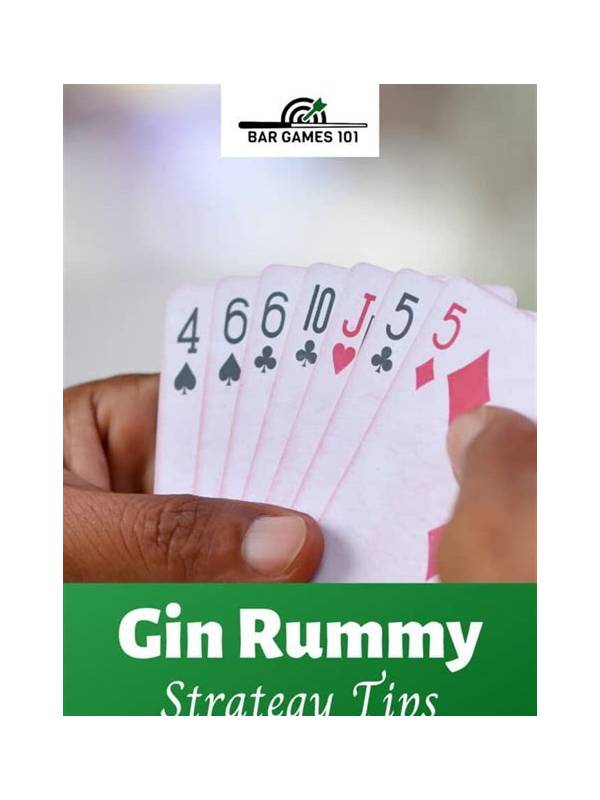
The middle of a rummy hand is a useful checkpoint because the initial uncertainty has reduced, but there is still time to change direction. Many mistakes happen when players continue carrying the opening plan without asking whether it has produced real progress.
Count completed structures first. Then count near-complete structures that need one realistic card. Do not count a group merely because its cards look related. A pair needing two precise cards is not equivalent to a sequence missing one common neighbor. This distinction gives a more honest picture of progress.
Review the cost of the remaining loose cards. High cards with no support deserve attention, especially if they cannot help the required sequence. Also look for cards that are being kept for emotional reasons, such as a pair that has survived several turns without improvement. A checkpoint is a good moment to set a deadline for such a plan.
Use the discard pile as a second source of evidence. Which useful neighbors have appeared? Which have disappeared? If the cards you need are increasingly unavailable, reduce the plan’s priority. If a new route has opened, compare it with the old route rather than adding it automatically. More possibilities are not always better when they create a crowded hand.
End the check with one decision: continue, simplify, or switch. Continue when the main route is close and safe. Simplify when too many speculative cards are competing. Switch when the current plan no longer has a credible path. This short pause can feel conservative, but it prevents the late hand from becoming an emergency caused by unexamined assumptions.
Use a written or mental checkpoint that takes less than a minute. Record completed groups, the best one-card route, the most expensive loose card, and the next review trigger. Avoid tracking every hidden possibility; the aim is to make the current state legible enough to choose a discard.
After the hand, compare the checkpoint with what actually happened. If a plan was marked close but required an unlikely card, adjust how you judge realistic. If you switched too late, identify the earlier signal you missed. Repeated checkpoints gradually improve calibration without requiring complicated statistics. The checkpoint is successful when it produces a clear next action, not when it predicts the winner. Keep the checkpoint descriptive rather than judgmental. Say that a route needs one card or that a singleton is expensive; do not label the hand lucky or unlucky. Neutral descriptions make it easier to switch plans when evidence changes and prevent the review from becoming a story about personal skill.