Rummy FAQ: Should You Take a Card Just to Deny an Opponent?
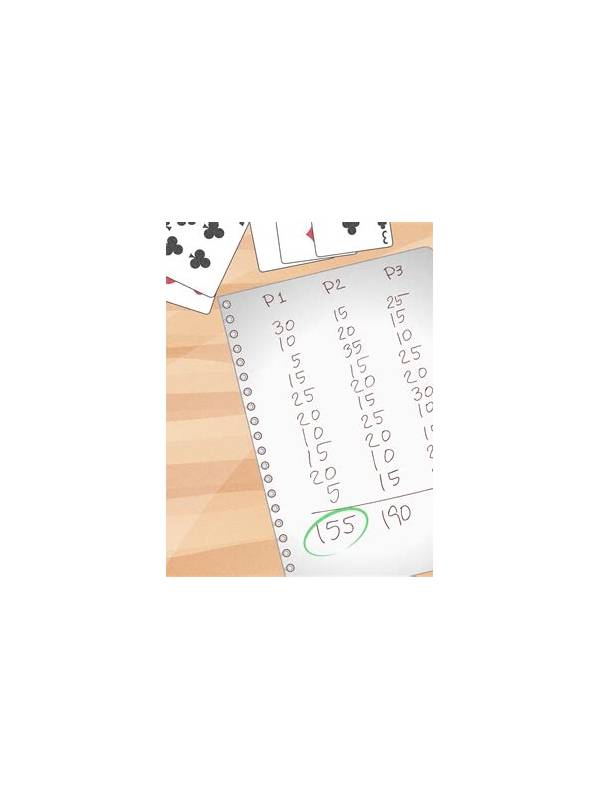
Taking a visible card to deny an opponent can be reasonable, but it should not become an automatic response. The first question is whether the card improves your hand enough to justify revealing interest and using a turn on it. If it only creates a weak pair, denial may be more expensive than the benefit it provides.
Look for evidence before assuming the opponent needs the card. Their earlier discards, pickups, and timing can offer clues, but none is proof. A card that fits one of their visible groups may still be irrelevant to their legal plan. Treat denial as a probability judgment, not a certainty.
Compare the card with your own alternatives. Would taking it help complete a pure sequence, reduce penalty, or preserve a strong bridge? If yes, the denial benefit is a bonus. If no, ask what you must discard after taking it. You may be forced to release a useful card, reveal your structure, or carry an expensive extra card.
Timing also matters. Early in the hand, information is limited and denial is speculative. Later, when an opponent has a nearly complete layout or repeatedly seeks one type of card, denial can become more relevant. Even then, do not ignore your own declaration requirements. A defensive move that leaves your hand illegal is usually poor defense.
Use denial selectively: when the opponent’s need is supported by several clues, your own improvement is acceptable, and the discard cost is controlled. Otherwise, prioritize building a legal, manageable hand. The best defense is often reducing your own risk rather than trying to control every card another player might want.
There is also an ethical and practical reason to keep denial limited. Treat other players’ information as part of normal play, not as a reason to harass, accuse, or pressure them. Follow the platform’s rules and keep communication respectful. A defensive choice should remain a card decision, not become a personal conflict.
When in doubt, compare the expected improvement to a simple self-protection move: discarding a costly singleton or completing your own required sequence. If the denial move cannot compete with that baseline, let the card go. Clear priorities protect you from overreacting to uncertain signals. Protecting your own route is usually the most reliable form of defense available on every turn. Denial is most defensible when it costs little and supports an existing plan. If it requires abandoning your best sequence, carrying extra points, or making a rushed declaration, the defensive appearance is misleading. Keep your own hand as the baseline and use opponent information only to break close ties.