Rummy Tips: Read the Discard Pile in Three Passes
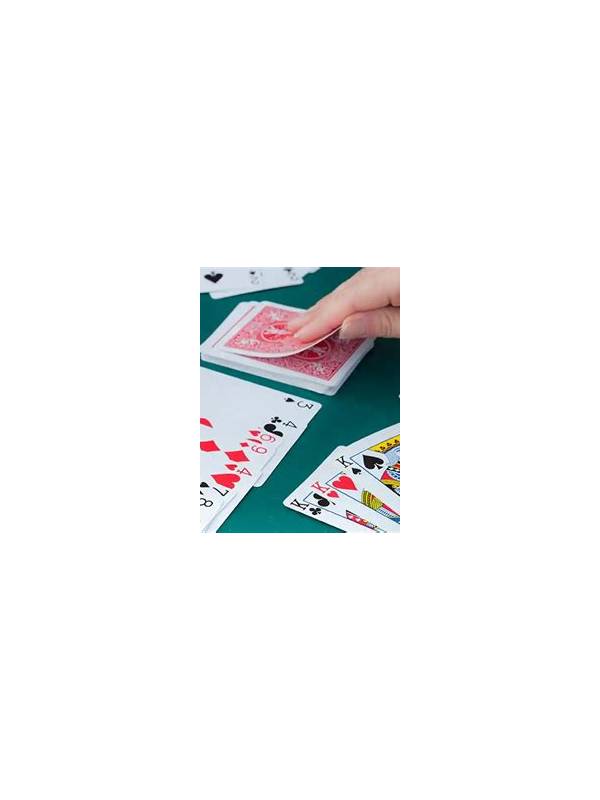
The discard pile can provide valuable information, but staring at every card can overload your attention. A three-pass method keeps the review quick and purposeful. Use it before a major pickup or whenever the hand’s direction feels unclear.
In the first pass, look for your own missing connectors. Are the cards needed to complete a possible run or set visible? If several are already in the pile, downgrade that plan. If a useful card has appeared recently and remains available, note it without assuming it will return.
In the second pass, look for patterns in other players’ choices. Repeatedly discarded suits, ranks, or card ranges may suggest what someone is not collecting. A single discard is weak evidence; a consistent pattern over multiple turns is stronger. Avoid turning these clues into certainty because players can change plans or discard defensively.
In the third pass, review the cost of your own possible pickup. Ask what information you reveal and what card you would need to release afterward. A card can be strategically useful yet still be a poor pickup if it forces an expensive discard or makes your hand harder to read and organize.
Finish by ranking the information: direct evidence, reasonable clue, and speculation. Make decisions mainly from the first two categories. The discard pile is not a promise that a needed card will appear, and it is not a complete record of every hidden plan. Used as a compact evidence source, it improves decisions without consuming the attention needed to manage your own hand.
The method is particularly helpful when the discard pile is long or the table is moving quickly. You do not need to reconstruct every turn. Focus on cards relevant to your current routes and on repeated patterns that have enough observations to matter. Discard irrelevant detail and return attention to your own legal structure.
Avoid discussing private conclusions loudly if the table is social or shared. Quiet observation keeps the atmosphere comfortable and reduces accidental coaching or conflict. The goal is better decisions, not proving that you have decoded another player. Good observation stays quiet, proportional, and connected to a decision you can actually make. If the pile contains several relevant cards, make a quick note of their order and then stop scanning. Repeatedly rereading the same cards can create the illusion of analysis while delaying the actual choice. A focused review should end with a specific question: which available action improves my legal route at an acceptable cost?