How to Compare Points and Deals Rummy for a First Session
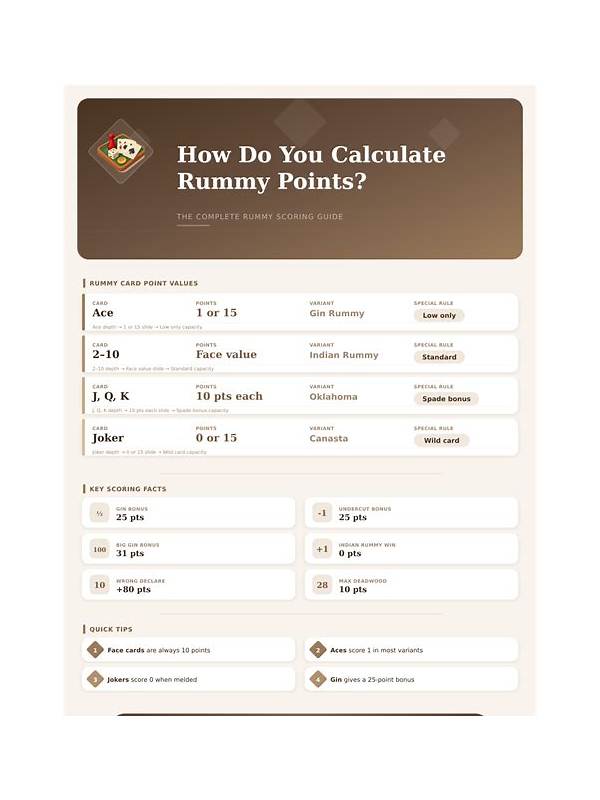
Points rummy and deals rummy use the same basic ideas of grouping cards, but the experience can feel different. Choosing between them is easier when you compare the length of play, scoring, and the kind of attention each format demands.
In points rummy, a round commonly has a direct value attached to the result. The game can be relatively quick because the outcome of a single hand settles the immediate score. This format suits a player who wants a compact session and is comfortable evaluating one hand at a time. Before joining, confirm the point value, maximum loss, and rules for a valid declaration.
Deals rummy runs for a set number of deals or hands. Players usually receive an initial score, and results across the agreed deals affect the final standing. Because the session lasts longer, one poor hand does not necessarily decide the entire experience. Patience and consistent score management can matter more than an isolated aggressive move.
For a first session, compare the mental load. Points rummy may be easier to understand because the scoring loop is short, but the pace can encourage rushed decisions. Deals rummy offers more time to learn table flow, yet keeping track of a running score requires attention. If you are still learning sequences and declarations, choose a low-pressure practice setting first.
Also compare the budget. Never assume that a familiar game format has a familiar financial risk. Read the entry amount, point rate, possible penalties, and withdrawal conditions before committing. Set a session limit in advance and do not increase it after a loss.
The best first format is the one whose rules you can explain in your own words. Try a practice hand, describe how a winner is determined, and identify what happens after an invalid declaration. If those answers are unclear, the format is not yet ready for serious play.
Neither format is automatically better. Points rummy offers a short scoring cycle; deals rummy offers a longer contest with cumulative results. Start with the simpler setting, learn the rules, and keep the session within a fixed, affordable limit.
You can also compare the way each format fits your available attention. If you have only a few quiet minutes, a short practice hand may be appropriate. If you want to study consistency across several rounds, a deals-style practice session may provide more context. In either case, write down the rules before you begin so the comparison is about the format, not a misunderstanding of scoring.
That small comparison can guide a calmer choice.