
Comparing Conservative and Aggressive Rummy Opening Plays
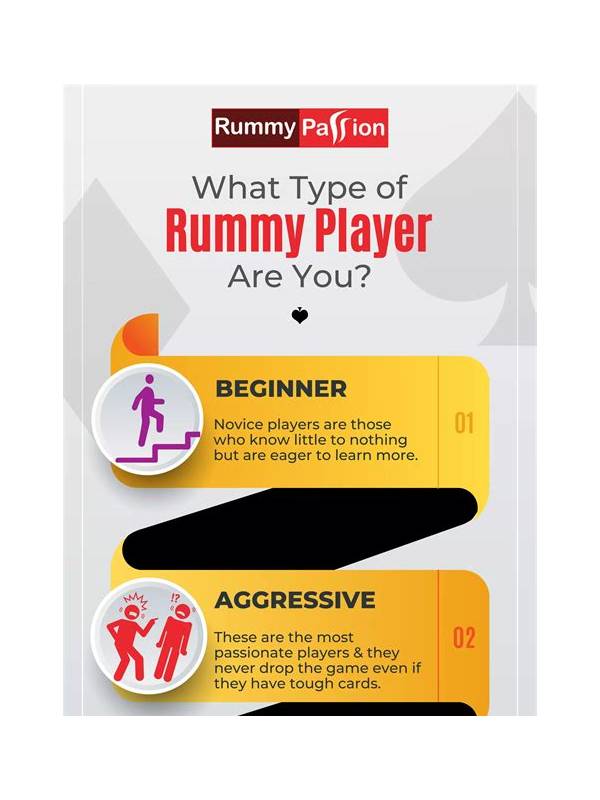
The opening turns of a rummy hand often invite a choice between conservative and aggressive play. A conservative approach protects flexibility and limits exposure to high cards. An aggressive approach commits quickly to a promising structure. Understanding the trade-off is more useful than labeling either style as always correct.
Conservative play keeps several connected possibilities alive. You may retain a pair, a middle connector, and a potential set while waiting for more information. This reduces the chance of being trapped by an early guess. Its cost is that the hand can remain untidy, and valuable turns may pass without a clear commitment.
Aggressive play selects a main route early and discards cards that do not support it. When the opening cards strongly favor one structure, this can produce a valid arrangement quickly. The danger is overcommitment. If the needed cards do not arrive, the player may have to rebuild after giving away flexible material.
To choose between them, count useful connections rather than attractive pairs. Ask how many cards can improve each route and whether the route satisfies all required groups. Also consider the point cost of waiting. A conservative plan is less comfortable when it leaves several expensive cards ungrouped, while an aggressive plan is less attractive when its success depends on one narrow draw.
You can combine the styles by setting a commitment point. Keep two routes for the first few turns, then choose the one with stronger evidence and lower downside. If the hand is already close to valid, protect its structure; if it is scattered, preserve options. The right opening is the one that matches the information available, not the one that looks most decisive. Opening style can also depend on your own attention. If you are tired or learning the interface, a conservative plan with fewer urgent decisions may be safer. If you have clearly identified a required sequence and can verify every discard, a measured early commitment may simplify the hand. This is recognition that decision quality is part of the risk calculation. After the hand, note whether your chosen style created useful options or merely delayed a decision; that observation is more valuable than whether the result happened to be a win. There is no need to announce which style you are using. Quietly keep the commitment point in mind and allow new cards to update it. The best opening may begin conservatively and become aggressive later, or begin decisively and return to a flexible plan when evidence weakens.


