
How to Explain Rummy Rules to a First-Time Player
Teaching rummy is easier when the new player learns the purpose of each action before memorizing every exception. Begin with the goal: arrange the hand into valid groups and make a legal declaration under the table’s rules. Explain that a neat-looking hand is not enough if a required group is missing.
Show the turn in four steps: draw, review, arrange, and discard. Let the learner handle a small example and describe what each step changes. Explain that drawing creates a new option while discarding keeps the hand at its allowed size. A slow demonstration is more useful than a long list of strategy tips.
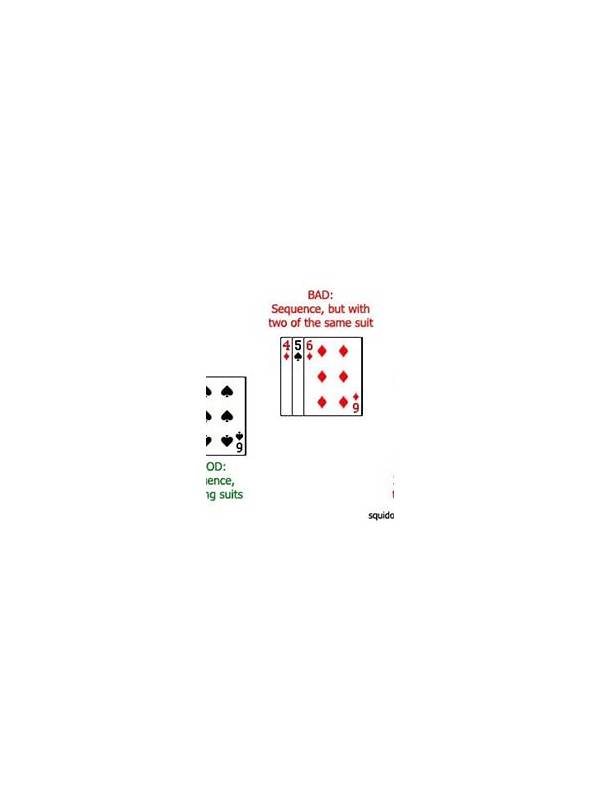
Next, show one sequence and one set using cards on the table. State the exact requirements for the version being played, including any rule about pure sequences or jokers. Ask the learner to identify why an almost-correct group fails. This teaches them to check the rule rather than copy the appearance of a previous example.
Introduce strategy only after the mechanics feel comfortable. Suggest comparing alternative discards, watching visible cards, and keeping a backup plan, but emphasize that no tactic guarantees a win. Explain points and stopping rules in plain language so the player knows what a risky decision costs before choosing a table.
Finish with safety and etiquette: use an official app or table, protect login details, take breaks, and ask questions when the interface is unclear. Encourage the learner to practice with no pressure first. A good introduction leaves them able to make one complete turn and understand why the move was legal. Avoid teaching every advanced possibility in the first sitting. Too many examples can make the learner believe that rummy is a test of memorization rather than a sequence of decisions under uncertainty. Let them ask about a confusing card, then use that question to explain one principle. Invite them to say their plan before acting, but do not correct every harmless choice immediately. A patient teacher also models safe behavior: confirm rules, respect pauses, and stop when concentration fades. Use neutral examples when demonstrating mistakes. Ask, “What could this card do?” before saying which card you would choose. That question encourages the learner to compare possibilities and builds an independent habit. The goal is a confident understanding of the turn, not dependence on the teacher’s preferred move. Good teaching leaves room for curiosity, correction, and independent judgment. The learner should leave knowing where to check answers safely.


