A Five-Step Rummy Review After Every Round
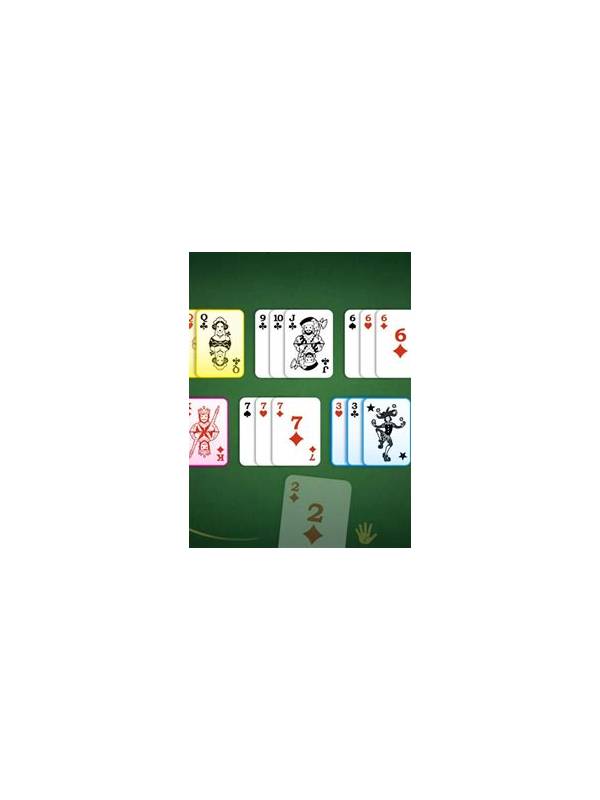
The result of a rummy round is memorable, but it is not a complete measure of decision quality. A lucky draw can rescue a weak plan, while a sensible plan can lose to an unexpected card. A five-step review helps you learn from both outcomes.
First, record the starting structure in neutral language. Count pure sequences, possible sequences, sets, and loose cards. Do not write “good hand” or “terrible hand” yet. Specific descriptions make later comparison easier.
Second, identify the first important decision. It may have been an early discard, a choice between two possible sequences, or the moment you used a joker. Ask what information was available then, not what became obvious at the end. This keeps hindsight from rewriting the decision.
Third, check whether the chosen discard reduced risk. Did it remove a high-point card? Did it break a flexible bridge? Did it give away a card that an opponent had already signaled? One mistake is enough to study; do not turn the review into a list of every small uncertainty.
Fourth, examine the declaration or exit. If you won, verify that the groups were valid and note which part of the hand did the most work. If you lost, determine whether the issue was an invalid arrangement, a high score, or a decision to continue with poor prospects. Different causes need different adjustments.
Fifth, choose one experiment for the next session. You might sort by suit immediately, delay joker use until a pure sequence is protected, or review the rules for a variant. One focused change is easier to test than a promise to “play better.”
Keep the review brief and private. Avoid using it to justify chasing a loss or increasing a budget. Practice should improve understanding, not pressure you to continue. Over time, these notes reveal recurring patterns: missed pure sequences, overvalued pairs, rushed drops, or useful discard clues. That evidence is more valuable than a single win or loss.
Do not compare your notes with another player’s private hand or assume their visible result explains every decision. The purpose is to improve your process using information you legitimately had. A small notebook, a protected local note, or a simple checklist is enough. Keep personal, payment, and account details out of practice notes.
Review should remain useful, private, and proportionate.
It should help you notice a pattern, not create pressure to play longer or spend more money.