
Rummy Comparison: Draw Certainty Versus Discard Information
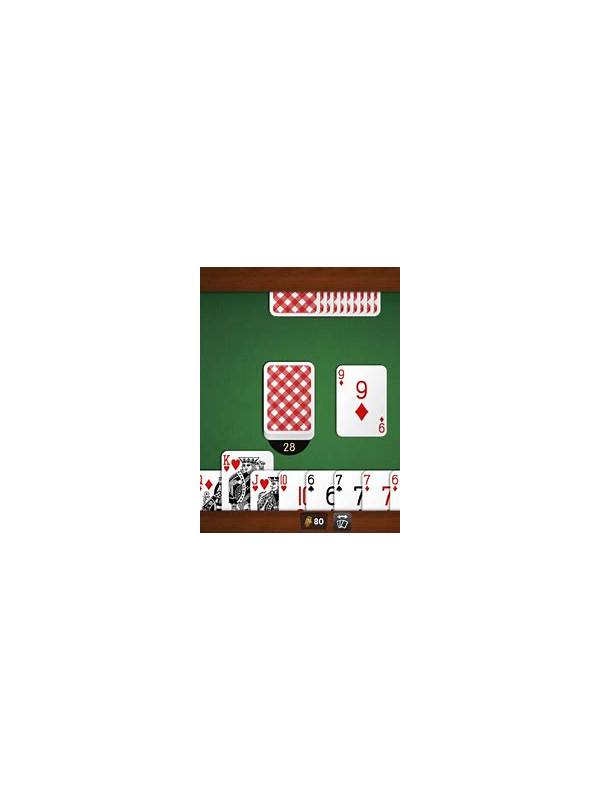
A draw decision has two dimensions. Draw certainty describes how reliably the chosen source can improve your own hand. Discard information describes what your release may reveal or offer to others. Focusing on only one dimension can create avoidable problems, especially in games where the open pile matters.
Start with your own improvement. List the cards that help immediately and the cards that create a useful future route. Separate common, realistic improvements from narrow possibilities. A draw source that offers a clear card now may be better than a source with many theoretical cards. At the same time, avoid treating a single useful card as certainty; it remains one possibility among many.
Then inspect the proposed discard. Does it complete an obvious sequence for another player? Does its rank and suit reveal the route you are abandoning? You cannot know another hand with certainty, but visible behavior can justify caution. The goal is not to deny every useful card. It is to avoid giving away a clear improvement when your own benefit is small.
Compare the trade-off explicitly. A high-certainty improvement may justify an informative discard because it substantially strengthens your hand. A low-certainty draw paired with a revealing release is less attractive. If two choices are close, prefer the one that keeps your hand clear while reducing unnecessary information. Variant rules and the table’s pace should influence the weight you give to each factor.
Keep the comparison proportional. Overthinking imagined opponent holdings can be as harmful as ignoring them. Use observed cards and reasonable inferences, then return to your own structure. A useful checklist is: What do I gain, what do I reveal, how likely is the gain, and what fallback remains? This turns a vague defensive feeling into a balanced decision.
When the open pile is not relevant in your variant, reduce the information part of the comparison and focus on hand improvement. The framework still helps because a discard can reveal which route you abandoned, but it should not turn ordinary play into a search for hidden motives. Use only information available under the rules. For a useful review, describe the decision in neutral terms. State the cards you could see, the route you preferred, the cost of keeping it, and the point at which you would change direction. This keeps the lesson tied to available information rather than hindsight. It also makes the habit easier to repeat in a later session. A short, specific explanation is usually more valuable than a long account of the final result.


