Rummy Comparison: Risk of Exposure Versus Risk of Delay
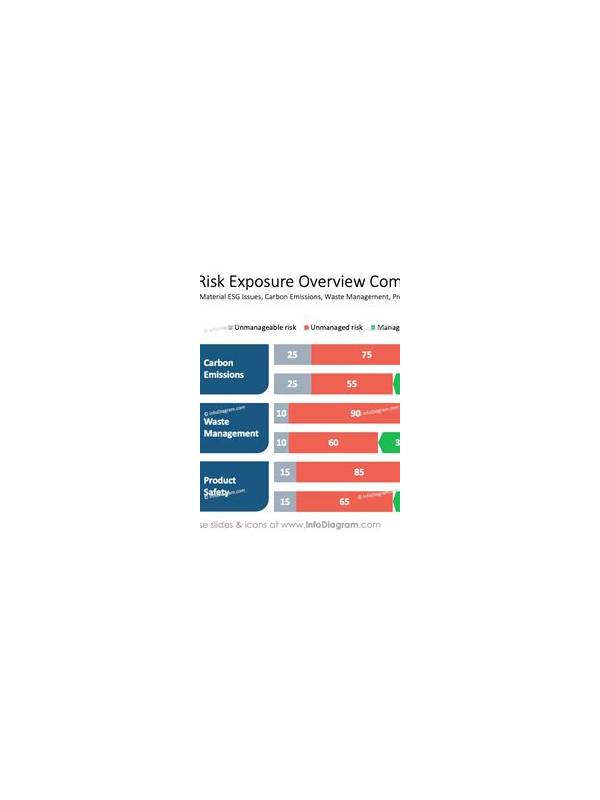
Some rummy choices expose your interest in a route; others hide information but delay improvement. Comparing them is a question of timing and consequence. A private draw may preserve uncertainty while leaving the hand unchanged, whereas taking a visible card may improve the hand but tell another player what you want.
Exposure risk is not automatically bad. If a visible card completes an important group, the immediate progress may justify revealing your interest. Exposure becomes more concerning when the card only supports a narrow plan, when another player can easily use the information, or when a quieter alternative offers nearly the same improvement. Think of exposure as a cost to measure, not a reason to avoid the discard pile entirely.
Delay risk grows when the hand has little time to recover. A draw from the stock can be sensible early when it preserves several options. Later, waiting may leave too many loose cards or miss a visible opportunity that will disappear. The value of privacy should therefore be compared with the value of making concrete progress now.
Use a simple pair of questions. What does the revealing move gain immediately, and how likely is the information to matter? What does the private move preserve, and what does it postpone? If the visible move completes a clean group and the exposure is minor, take the progress. If it only adds a speculative connection while a private draw keeps the hand broad, delay may be cheaper.
Reassess after each player action. A move that was safe before a new discard may become less useful, and the cost of delay can change as the pile develops. Avoid fixed slogans such as “never reveal a suit” or “always take progress.”
The comparison is useful because both options have a price. Good decisions identify that price, consider the stage of the hand, and choose the risk that the current position can better absorb.