Rummy Comparison: Flexible Hands Versus Fast Declarations
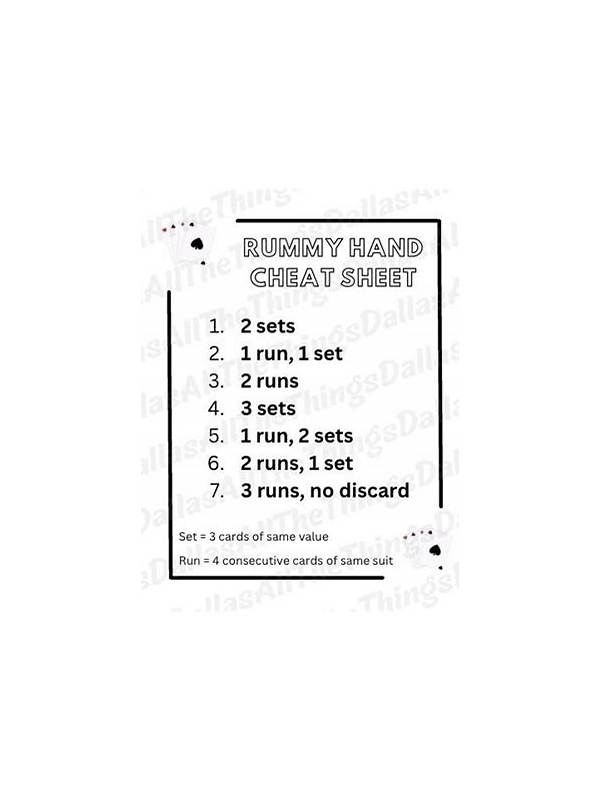
Rummy players often face a choice between preserving several possible combinations and pursuing one fast declaration. Neither approach is always correct. The better choice depends on the strength of the current structure, the information available, and how much time remains before an opponent may finish.
A flexible hand contains cards that can support more than one useful arrangement. Middle ranks may connect in either direction, and a pair may become a set or remain a reserve for another group. Flexibility is valuable early because new draws can improve different routes. Its weakness is that it can encourage endless waiting while unhelpful cards accumulate.
A fast-declaration plan commits to a clear requirement. It may focus on completing a near-finished sequence and removing dangerous leftovers. Speed is valuable when the hand already has a sound foundation or when the table is moving quickly. Its weakness is that a missing card can leave the entire plan stalled.
Compare the plans by asking three questions. How many cards currently improve the structure? What happens if the next two draws miss? Which plan leaves fewer high-value ungrouped cards? The answers reveal whether flexibility is genuine or merely a collection of hopeful possibilities.
You can also use a transition point. Early in the hand, keep two plausible routes if both are supported. Later, retain the route with the clearest completion path and discard cards that serve only a distant idea. This is not abandoning flexibility; it is converting information into commitment.
Review the result after the hand. If the fast plan failed because it relied on one unlikely card, it needed more support. If the flexible plan never produced a useful group, it was probably too broad. The comparison is most helpful when it improves the next decision rather than assigning blame to the last one. Table pace should influence the balance too. In a relaxed game, flexibility can be maintained while more information arrives. In a fast game, a broad plan may become difficult to monitor, so a clear route can be preferable even if it is not theoretically perfect. Also consider the cost of exposing a plan through a visible pickup. A flexible hand may keep your intentions less obvious, while a fast plan may force a public signal. Neither advantage is permanent. Use the comparison as a living assessment, update it after each draw, and commit when the evidence is strong enough. Keep the practice concrete by choosing one check to repeat at the next table. Afterward, note whether the check was easy to remember and whether it changed an action. If it did not help, remove it rather than collecting more rules. A small, dependable habit is safer and more useful than a long list that is ignored under pressure. This approach also makes later reviews easier because the reason for a decision remains visible.