Rummy Comparison: Manual Notes Versus In-App Sorting
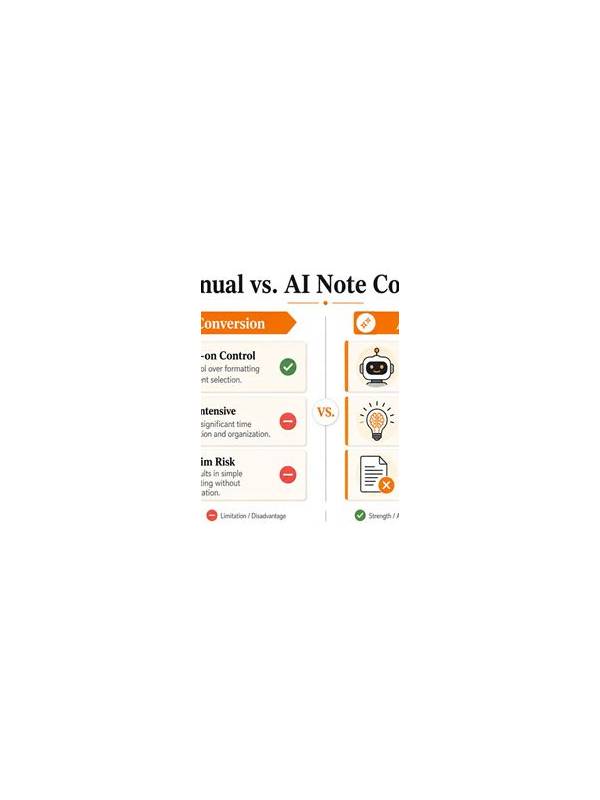
In-app sorting and manual notes solve different problems. Sorting helps you see suits, ranks, and repeated values quickly. Manual notes help you examine why a card matters and whether a plan is becoming too narrow. The best choice depends on the setting, the platform’s rules, and the type of practice you want.
Digital sorting is useful when the hand is crowded. Grouping by suit can expose sequences, while grouping by rank can reveal set possibilities. It reduces visual clutter and lowers the chance of overlooking a card. Check whether the application sorts automatically and whether using that feature is allowed. A neat arrangement is helpful, but it does not make a group legal or complete.
Manual notes are slower but more analytical. Write a short role beside a card: connector, pair, waiting card, or discard candidate. Then record the reason for your planned discard. This makes it easier to review a mistake later because you can see whether the issue was poor information, a rushed choice, or a route that stayed open too long.
Avoid writing so much that notes become another source of pressure. One or two words per group are usually enough during practice. In a live game, follow the platform’s terms and never use notes to obtain prohibited assistance. Respect privacy if a device or notebook is shared.
Use digital sorting for visibility and manual notes for learning. After a hand, compare the layout you saw with the explanation you recorded. If the same type of confusion appears repeatedly, adjust your routine rather than adding more detail. Tools should make decisions clearer, not replace the judgment needed to compare flexibility, risk, and rules. Accessibility can influence the choice as well. A larger digital layout may reduce visual strain, while a short handwritten label may be easier to review than a crowded screen. Use high contrast, text scaling, or a screen reader when available and permitted. Test the arrangement in a no-pressure setting before relying on it in a timed game. Whichever method you choose, keep the final question the same: what does this card do now, what could it do next, and what am I giving up by holding it? That question remains useful even when the display changes. A tool is successful when it lowers confusion and preserves attention for the decision itself. Choose the method that lets you see the hand clearly while keeping your reasoning private and permitted.