Rummy Comparison: Rapid Layouts Versus Deep Reviews
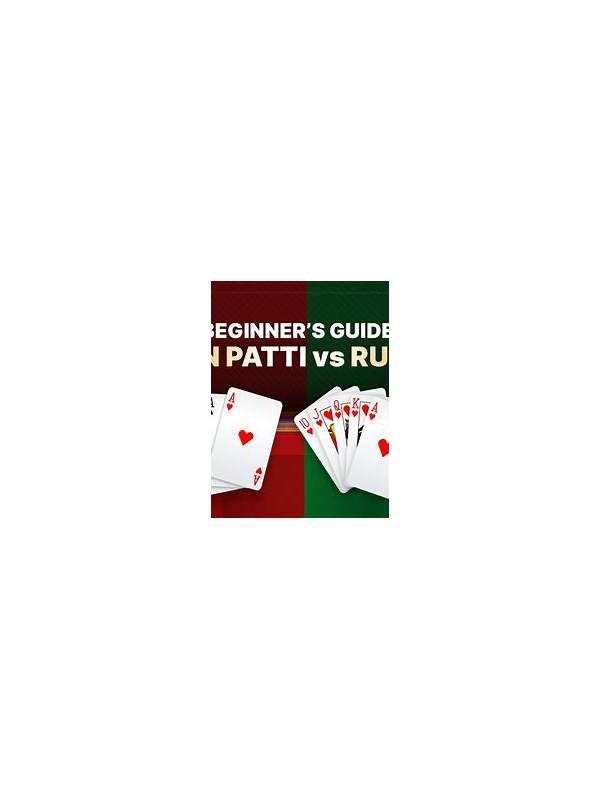
Fast sorting gets the cards into broad groups quickly. Careful sorting examines alternatives, missing links, and discard costs. Treating one method as universally superior creates problems; strong play uses each at the right time.
Use fast sorting at the start of a turn or after a new hand. Separate obvious sequences, repeated ranks, and isolated cards without trying to solve everything immediately. This gives you a visual overview and prevents the first attractive combination from dominating your attention. Speed is useful when the screen or time limit makes a long review impractical.
Switch to careful sorting when two or more routes compete. Look at the exact cards each route needs, whether one card is doing two jobs, and which arrangement leaves the safest discard. Careful sorting is also valuable before a declaration or any decision that could create a large penalty. A few extra seconds can expose an unconfirmed group or a missing required structure.
Fast sorting can fail through premature commitment. A player sees one pair, places it mentally in a set, and overlooks a better sequence. Careful sorting can fail through over-analysis. A player keeps rearranging confirmed groups and misses the simple release. The cure for both errors is a stopping rule: once the hand has a clear best route and a reasonable discard, act.
The best sequence is usually fast, then careful, then fast again. Build a broad map, inspect the important conflict, and return the hand to a simple layout before playing. This creates both speed and accuracy without requiring constant calculation.
Practice the transition deliberately. In a zero-stakes session, time yourself on the first broad sort, then allow a longer review only when a genuine conflict appears. Record whether the extra attention changed your decision. With repetition, you will learn which situations deserve care and which only need a quick, reliable scan.
The comparison also applies to physical practice away from a live table. Set a short timer for fast sorting, then give yourself one deliberate review for a difficult arrangement. Notice which errors appear under each pace. If fast sorting misses obvious groups, improve the initial categories. If careful sorting never reaches a decision, simplify the questions you ask. The goal is not to make every turn slow or every turn fast; it is to make the pace match the amount of uncertainty in front of you.
The transition should feel intentional rather than anxious. Move into careful review because a real conflict exists, not because you fear every possible mistake. Once the conflict is resolved, return to a simple layout and continue.