Rummy Comparison: Reactive and Proactive Discard Plans
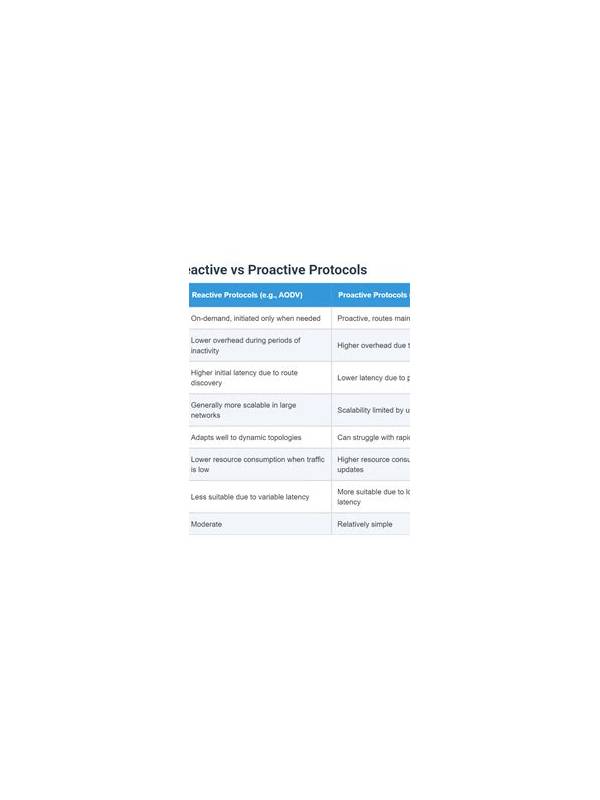
A reactive discard plan waits for each draw and chooses the card that looks weakest at that moment. A proactive plan sets a priority in advance, such as reducing high cards or protecting a key sequence. Both approaches can work, but they solve different problems.
Reactive play is useful when the hand is flexible and new information is arriving quickly. You can respond to a useful connector without being trapped by an early commitment. The risk is inconsistency: without a priority, you may keep too many cards and change direction after every draw.
Proactive play is useful when the hand contains an obvious danger. If two isolated high cards are adding points, deciding to remove them within the next turns creates discipline. A proactive plan can also protect a confirmed sequence by identifying which developing cards are allowed to compete for space.
The best choice may change during the hand. Start proactively when the initial cards contain expensive deadwood. Shift toward reaction once a strong structure appears and the remaining slots are flexible. Later, return to a firm priority if the hand is close to declaration or the penalty risk is rising.
Whichever plan you use, define a stopping condition. A reactive plan should stop collecting endless possibilities when a route has no new support. A proactive plan should be revised when visible information clearly weakens its original assumption. Plans are tools, not commitments to ignore evidence.
When reviewing a hand, ask which mode you were using and whether it matched the position. This makes strategy easier to improve than simply judging the result. A losing hand may have used a reasonable plan, while a winning hand may have succeeded despite a confused one.
You can combine both modes in a simple sequence. Set one proactive priority for the next two turns, then allow the draw to decide which supporting route deserves attention. At the end of that window, review the hand and choose a new priority. This creates structure without locking you into the opening idea. It also makes practice measurable: you can ask whether the priority reduced risk, created a group, or merely occupied space. If it achieved none of those results, change it rather than defending it. This approach is especially helpful after a surprising draw. A reactive update can happen inside a proactive framework: keep the priority, but change the card used to pursue it. Strategy becomes a sequence of controlled updates rather than a single permanent plan.