Rummy Comparison: Sorting by Suit or by Potential Group
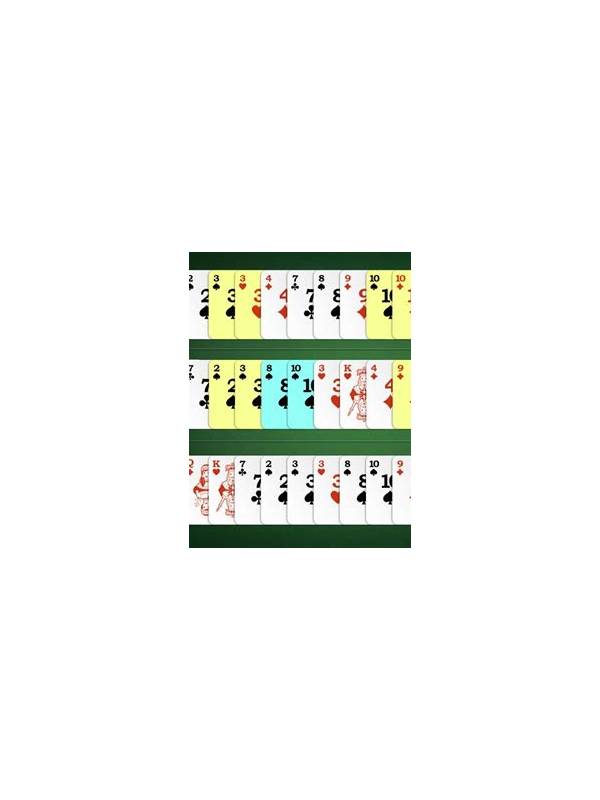
There is no single best way to arrange a rummy hand. Sorting by suit makes sequences easy to see, while sorting by potential group makes sets, pairs, and competing plans more obvious. Understanding the strengths of each method helps you switch deliberately instead of rearranging randomly.
Suit sorting places cards of the same suit together and usually orders them by rank. This is excellent for spotting consecutive runs and gaps. A missing rank between two cards becomes visible, and a pure sequence may be easier to protect. Suit sorting also reduces the chance of overlooking a card because the hand has a predictable layout.
Potential-group sorting puts cards beside the plan they currently support. A pair that might become a set can sit together, while a connector for a sequence stays with its neighboring cards. This arrangement is useful during a decision because it shows which cards are committed and which remain flexible. Its weakness is that one card may support two plans, making the layout ambiguous.
Use suit sorting during the first scan. It gives you a neutral picture of the hand before you become attached to a particular plan. Then, when comparing discards, temporarily group cards by function: finished group, developing group, or loose card. This second view exposes whether a beautiful suit pattern is actually helping the required structure.
On a small screen, avoid constant rearranging if it causes missed timers or accidental taps. Choose a default order and use a quick mental overlay for the second view. If the interface has an automatic sort option, learn exactly what it does before relying on it.
The practical answer is to use both methods at different moments. Suit order is a reliable map; potential-group order is a decision lens. Neither arrangement changes the cards or guarantees a result. Their value comes from reducing visual noise so that you can compare realistic plans, points, and timing with fewer avoidable mistakes.
If you change layouts, do it at the beginning of your turn and not while a timer is nearly finished. Keep completed groups visually stable so that a temporary experiment does not accidentally break them. The best arrangement is the one you can read quickly and reproduce consistently. Organization should serve judgment, not become another source of pressure.
Try the two arrangements in practice mode and notice which one makes your own mistakes easier to spot. The answer may differ by screen size or hand format. What matters is having a deliberate default and a clear reason to change it when a decision requires another view.