Rummy Comparison: Stock Draws Versus Visible Discards
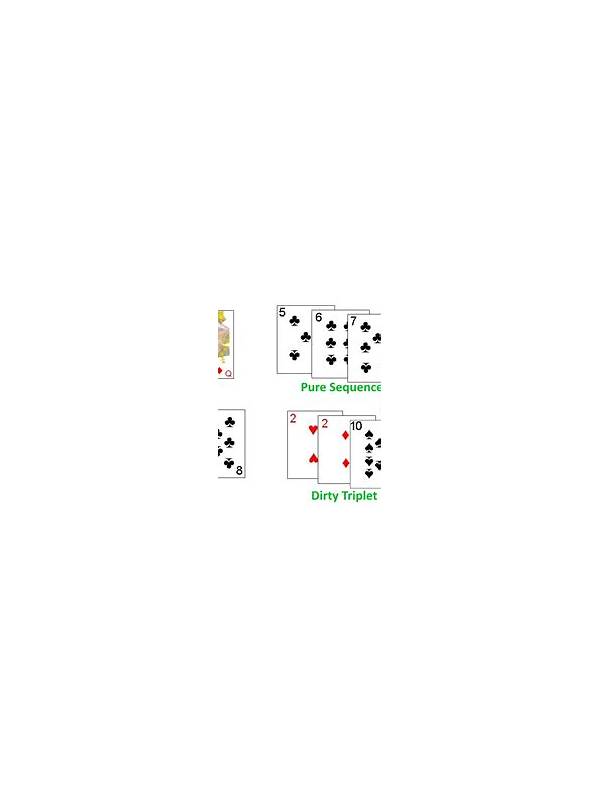
Every draw offers a choice between uncertainty and information. A stock draw hides the card until you take it, while a visible discard tells you exactly what you will receive but may reveal your interest to the table. Comparing the two helps prevent automatic choices.
The discard pile is attractive when the card immediately improves a group. Before taking it, confirm that the improvement is real. A card may fit a pair but break a more valuable sequence, or it may be useful only if another unlikely card arrives. Also inspect what your selection communicates. Taking a particular suit or rank can help opponents infer your direction.
The stock pile offers privacy and surprise. It is often sensible when the visible discard is only marginally helpful or when taking it would advertise a narrow plan. Its weakness is that the card may be useless, forcing you to discard again and losing tempo. If your hand has several broad routes, the stock can be a comfortable choice; if your hand needs one precise connector, a known discard may be worth the signal.
Consider the table’s stage. Early in a hand, privacy and exploration may matter more. Later, an immediate legal improvement can outweigh the information cost, especially if the table is already aware of your general direction. Also consider whether the discard is safe for the next player. Giving away an obvious connector may create a larger problem than revealing your own preference.
Use a three-part comparison: immediate benefit, future flexibility, and information cost. Choose the discard when it wins clearly on improvement and flexibility. Choose the stock when the discard’s benefit is narrow or its signal is expensive. If both are weak, select the option that leaves the least penalty if the hand ends soon.
The best choice is not always the hidden one or the visible one. It is the draw that improves the hand while keeping your next decision manageable.