Rummy FAQ: When Is a Good Draw Actually Bad Timing?
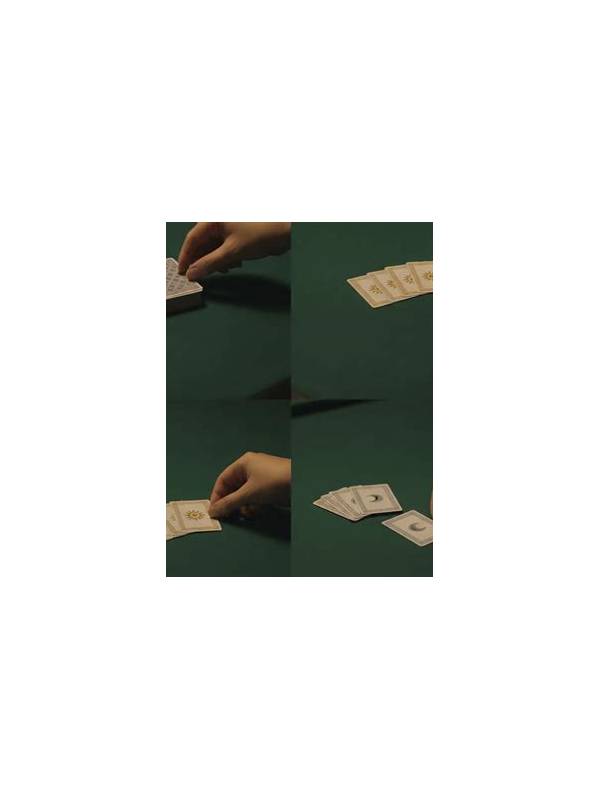
A good draw is not always a good decision. A card may fit a possible sequence, reduce points, or offer flexibility, but its timing can still be wrong if the hand has a more urgent requirement. Thinking about timing keeps you from celebrating a local improvement while the overall structure becomes harder to complete.
Start by checking the hand’s requirement under the current format. If a natural sequence or another condition is necessary for a valid declaration, that requirement may deserve priority over a tempting secondary group. The exact rules vary, so confirm the format before relying on a remembered pattern. A card that improves an optional set cannot compensate for ignoring a required structure.
Next, compare the draw with the weakest unresolved part of the hand. If the new card creates a long route but leaves a high-point isolated card untouched, its benefit may be limited. If it completes a group while also reducing exposure, its timing is stronger. Look at the whole hand, not only the card’s immediate match.
Timing also matters when the table is moving quickly. A useful card that demands several future turns may be less suitable near a deadline or when you may have fewer opportunities to draw. Do not let the clock create panic, but do let it change the amount of experimentation you can responsibly afford.
Set a review condition for the good draw. You might keep it until one more card arrives, or until a route becomes clearly narrower. If the condition passes without improvement, release the plan or compare it again with the current worst card. This gives the card a fair test without allowing it to control the entire hand.
The key question is not “Is this card good?” It is “Does this card improve the most important part of this hand now?” That distinction turns timing into a practical filter and helps you value useful cards without giving them automatic priority.
Use a short timing checklist: required condition, repair distance, point exposure, and remaining opportunities. If the card passes those checks, keep it with a defined review point. If it fails one important check, compare it with the current worst card before letting the excitement of the draw decide. This keeps a genuinely useful card in perspective and makes the next action easier to explain.
If timing remains unclear, prefer a move with a clear reassessment point.
That keeps uncertainty manageable.