
Rummy FAQ: How Can You Tell If a Plan Is Too Complicated?
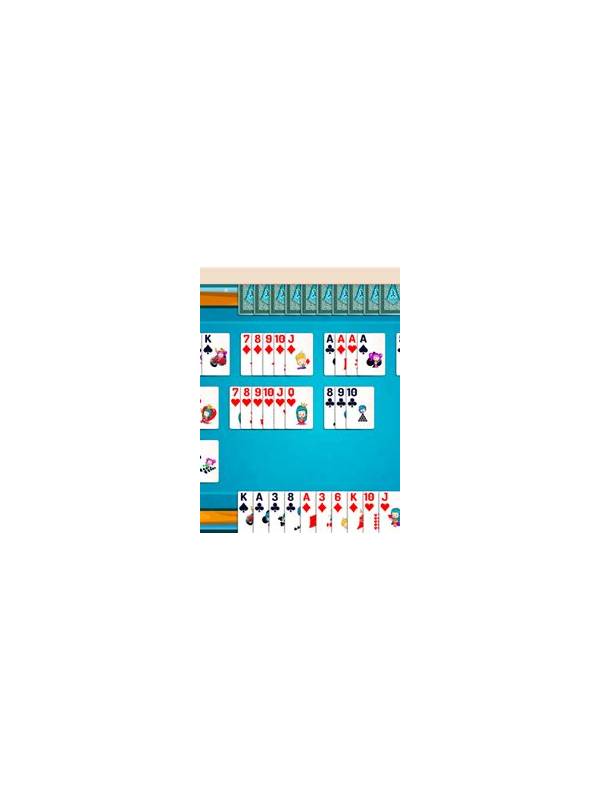
A rummy plan becomes too complicated when you can no longer state its next step clearly. Complexity is not the same as flexibility. A flexible hand may have several realistic routes, while a complicated hand may contain many attractive possibilities that cannot all be supported. The difference is whether the plan helps you decide or merely postpones a choice.
Try the one-sentence test. Explain what you are protecting, what card would improve the position, and what you will discard if it does not improve. If the explanation needs several exceptions, the plan may be too narrow. For example, “I will keep these two cards until one of two broad routes develops, then release the weaker card” is manageable. A plan with five separate conditions may be difficult to apply under time pressure.
Count exact requirements. A route that needs one of several cards is usually easier to manage than a route that needs one specific rank in one specific suit. Multiple narrow routes can look like flexibility because they are listed separately, but they may all depend on unlikely events. Write the required cards down and notice whether the same few cards are doing all the work.
Check the cost of delay. While you wait for a complicated plan, which loose cards remain in your hand? How much point exposure are you carrying, and what useful route are you refusing to abandon? A plan should have a deadline when the cost of waiting becomes larger than the chance of improvement. Without that deadline, complexity can turn into passive waiting.
Look for conflicting goals. Protecting a high-value pair, preserving a sequence bridge, and avoiding a helpful discard may each be reasonable alone. Together, they can leave no clear card to release. Rank the goals: validity first, then meaningful reduction of risk, then optional improvements. A lower priority goal should be sacrificed when it blocks the important ones.
Simplify by choosing a primary route and a backup route. Keep only the alternatives that are broad enough to matter, and name the card that will leave if neither improves. This does not guarantee a favorable result, but it turns a confusing hand into a sequence of observable decisions. A simple plan is valuable because you can evaluate it, revise it, and learn from it.
Complexity can also come from poor notes or a crowded screen, not only from the cards. Before changing strategy, improve the way you display the hand. If the position becomes clear after a quick sort, the plan may have been reasonable all along; the problem was the presentation.


