Rummy FAQ: Should You Keep Two Cards From the Same Suit?
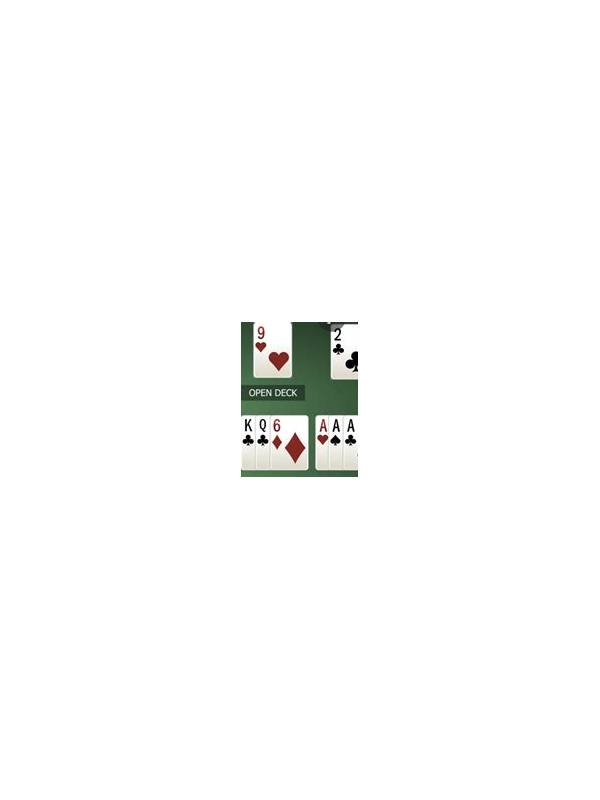
Two cards from the same suit can look connected, but suit alone does not make a sequence. Their ranks and the rest of your hand determine whether they deserve a place. Keeping every same-suit pair creates clutter and can leave you carrying cards that have no practical route to completion.
Ask how close the ranks are. Consecutive cards or cards with one rank between them may have several ways to become part of a run, depending on the rules and available cards. Widely separated ranks usually need multiple specific draws. The wider the gap, the stronger the reason you need before holding both cards.
Then ask whether either card has a second job. One might join a set by rank, support an existing sequence, or serve as a low-risk temporary hold. A same-suit pair is more attractive when it contributes to two plans. It is less attractive when the pair is the only reason to keep two otherwise isolated cards.
The discard pile also matters. If useful connecting ranks have appeared and no new information supports the route, the pair should lose priority. Do not assume that an unseen card is equally likely to arrive at a helpful moment. Time, opponents, and the cost of missed opportunities all matter.
When uncertain, compare the pair with your weakest single card. Which choice leaves a hand with fewer expensive leftovers and more viable next turns? If keeping the pair forces you to retain a high-value outsider, releasing one card may improve the whole hand. Review the choice after the next draw. The right question is not “Do these cards match suits?” but “What specific legal structure can this pair realistically help me build?”
It is also useful to distinguish a temporary pair from a committed pair. A temporary pair is held while you gather information and has a clear exit condition. A committed pair is part of a route you are actively protecting because its completion options are strong. If you cannot state which type you are holding, pause before the next discard and make that classification.
Remember that the discard pile provides evidence, not a guarantee. A card missing from view may still be unavailable, and a card that looks safe may fit another player’s plan. Keep the analysis proportional. One same-suit pair should not consume the attention needed to protect completed groups or meet a responsible session limit.
This distinction is especially helpful when the pair competes with a completed group. Protect the completed group first, then test whether the pair still has enough support to justify its space. If not, release the weaker card and let the hand become simpler.