Rummy FAQ: How Can You Review a Discard Without Guessing?
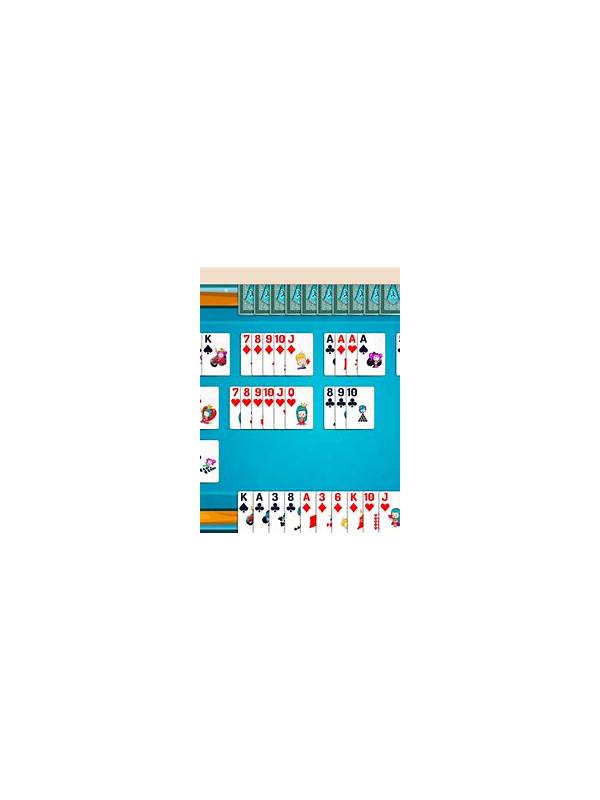
A discard can provide useful information, but it rarely proves exactly what another player is holding. The safest way to review it is to separate observation from interpretation. This keeps a single visible card from controlling your entire plan.
Start with the observable fact
Write or say what happened in neutral terms: “A nine of clubs was discarded after the player drew.” Do not immediately add “so that player cannot need clubs.” The first statement is an observation. The second is a conclusion that may be wrong because the player could have multiple routes, a duplicate card, or a temporary reason for the discard.
Next, record how the card affects your own hand. Does it complete a group, create a connection, or simply look familiar? Your decision should begin with the strength of your route, not with a story about the opponent.
Use probability language carefully
Instead of calling a card safe or unsafe, describe it as more or less likely to help based on the available evidence. One discard may reduce one possible route while leaving many others open. Several related discards can create a stronger pattern, but even then, the pattern should guide attention rather than create certainty.
Consider timing. An early discard often reflects broad sorting and may be less informative. A late discard made after several draws may reveal a more developed choice. The table format and rules also matter, so avoid importing assumptions from a different version of rummy.
Apply a two-question check
Before taking a visible discard, ask two questions. First, would this card improve a route that is already supported by more than one possibility? Second, if it does not help, what better alternative do I have? If the card only creates another loose pair, the excitement of receiving it may not justify changing your structure.
If you are discarding, ask whether your card completes an obvious pattern for someone else. You cannot prevent every useful discard, and you should not abandon a strong plan based on speculation. The question is simply one factor in comparing otherwise similar choices.
After the hand, compare your interpretation with the cards that became visible. Treat mistakes as calibration: perhaps you gave too much weight to one discard, or perhaps you ignored a repeated pattern. This evidence-based review improves observation while preserving the important distinction between a clue and a fact.
Keep the review short and specific. A note such as “I treated one early discard as proof” is more useful than a broad claim that your reading was bad. The goal is to improve the next observation, not to create certainty where the game cannot provide it.