
Rummy FAQ: What Should You Record During Practice?
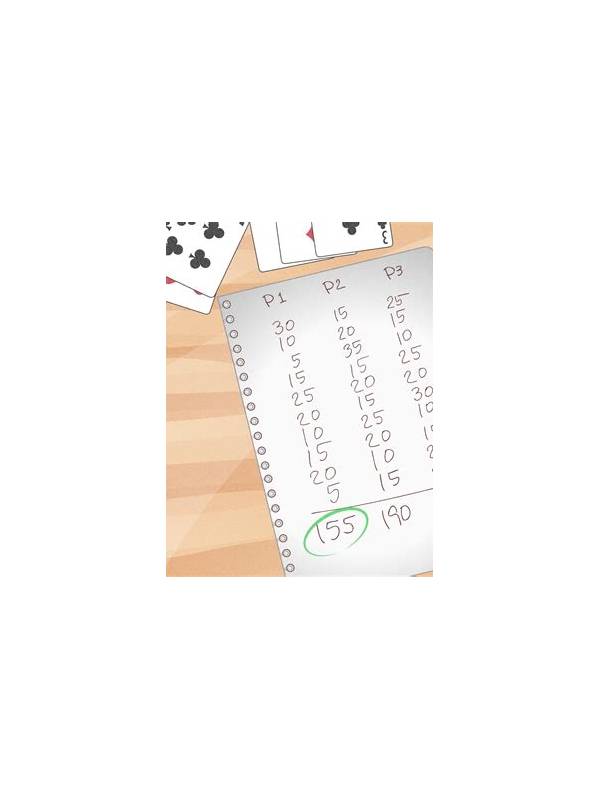
Practice notes are most helpful when they explain decisions. Recording every card in every hand can create a long transcript without showing what you learned. A better approach is to capture a few turning points: the opening structure, the first major discard, the moment your original plan changed, and the final decision before the result.
Start with a short opening description. You might write “one near-sequence, one pair, three isolated cards.” This gives you a baseline without copying the complete hand. Then note the plan you chose and why. Perhaps the near-sequence had two possible completions, while the pair depended on a single rank. The purpose is to make your initial reasoning visible, not to prove that it was correct.
During the hand, record only decisions that felt difficult or important. Include the two options you considered and the information available at the time. For example: “Kept a flexible middle card instead of taking a high discard because the hand had no secure pure sequence.” This sentence is more valuable than a list of ten ordinary draws.
After the hand, separate process from outcome. A good decision can lose, and a weak decision can win because the next card happened to help. Ask whether the choice was reasonable with the information then available. If you made an error, describe it precisely: missed an immediate completion, protected too many speculative pairs, or forgot the requirement for a valid declaration. Specific labels are easier to correct than “played badly.”
Once a week, review several notes together. Look for repeated habits rather than isolated drama. You may discover that you abandon strong plans too early, keep high cards too long, or fail to set a deadline for a narrow draw. Choose one habit to monitor in the next session. Trying to fix everything at once makes the review less useful.
Keep notes private, brief, and neutral. Practice is meant to improve observation and decision quality, not create a record of shame. Five thoughtful lines after a hand can teach more than an hour of frustrated replay. With consistent notes, your improvement becomes measurable: clearer opening plans, fewer emergency discards, and more confident final audits.
If you play on a digital table, make the note after leaving the result screen, while the decision is still fresh but the outcome is no longer demanding attention. Avoid copying platform labels as if they explain the mistake. Your own description should say what you saw and what you chose. That language develops judgment you can carry between different interfaces, formats, and table speeds.


