Rummy Guide: Read the Shape of an Unfinished Hand
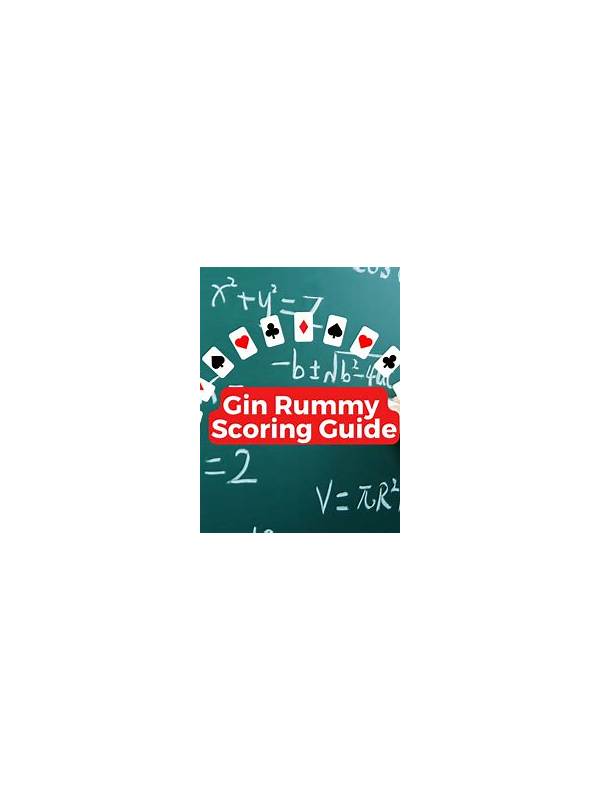
An unfinished hand is easier to manage when you describe its shape instead of calling it simply good or bad. A group may be a close run, a pair with several set options, a single connector, or an isolated penalty card. Each shape suggests a different next action.
Start by marking complete legal groups. These are anchors and should not be disturbed casually. Then classify every remaining card. A connected pair has at least one realistic extension. A split pair may need a narrow bridge. A same-rank pair may become a set, while a lone high card has little support. This classification prevents attractive but weak possibilities from receiving equal attention.
Count the routes each group offers. A middle suited pair often has two sequence directions, whereas an edge card may have one. A pair with two matching-rank copies can also wait for a third card. The more routes a group has, the longer it may deserve protection, provided its penalty is manageable.
Next consider which group supports a required foundation. A flexible pair is not enough if the hand lacks a pure sequence. Protect the group that keeps the declaration legal, then use the rest of the hand to improve or simplify. If no unfinished group supports that requirement, change priorities early rather than hoping it appears at the end.
Finish by choosing one group to test and one card to release. Reassess after a meaningful draw or after a few turns without progress. Describing shape gives you a calm vocabulary for decisions and reduces the urge to treat every near-match as equally valuable.
Use the description to set a review order. Complete groups need verification, flexible groups need comparison, and isolated cards need a release decision. This keeps you from spending all your attention on the most visually interesting combination. Remember that shape changes with public information, so treat every classification as temporary.
For example, a connected pair may be worth holding early, but less so after its only useful extension is visible in the discard pile. A high card may begin as an isolated liability and become reasonable when a matching pair appears. Update the label instead of defending the first impression. A clear shape makes the next discard a comparison rather than a guess.
This approach also helps with review. If a hand went wrong, ask whether the classification was inaccurate or whether the chosen route simply failed to arrive. Those are different problems. The first suggests a sorting or rules error; the second is normal uncertainty. Keeping them separate makes future practice more specific.