Rummy Guide: Build a Three-Column Draw Worksheet
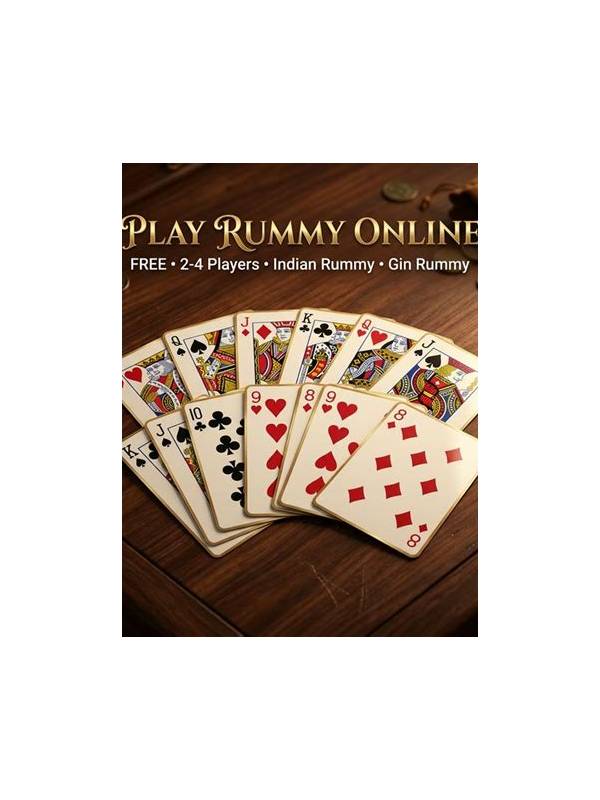
A draw is easier to judge when the question is visible. Many players look only at the card they might receive and forget to compare it with the hand they already have. A three-column worksheet offers a simple pause point: record the card or route, the cards it could improve, and the cost of keeping it. The purpose is not to predict the deck. It is to make the next decision less vague.
The first column is “current role.” Give each important card a short label such as sequence anchor, possible set card, flexible connector, or isolated card. Keep the labels factual. A seven of hearts might be a sequence anchor beside a five and six, while the same seven could be isolated in another hand. This first column prevents you from carrying an old opinion after the hand changes.
The second column is “useful arrivals.” List only realistic improvements, not every card that could theoretically help. If a six and seven are together, a five or eight may be useful; if a pair is competing with a sequence, list the cards that strengthen each route separately. A short list is valuable because it shows whether a plan has one narrow answer or several reasonable answers.
The third column is “cost of holding.” Consider point exposure, lost flexibility, and the number of other cards that must remain in place. A high card may be part of a promising group but still be expensive if the route fails. Likewise, a low card may be cheap yet occupy the only space that could support another plan. This column turns the vague feeling of “I like this card” into a comparison.
Use the worksheet at natural reassessment points: after the opening sort, after a major draw, and when a route has failed twice. Do not update it after every tiny change if doing so distracts you. In a fast table, use three words per cell. In practice, write a sample hand and fill the columns before playing. Then ask which card you would release if the next draw did not help.
The worksheet cannot tell you the correct move, and it cannot remove uncertainty. Its benefit is narrower: it separates evidence from hope. If two options still look equal, choose the one with the lower cost or the clearer next review point. That keeps the decision repeatable and leaves you with a useful question for the next turn.