Rummy Hand Organization: A Clear Sorting Method for New Players
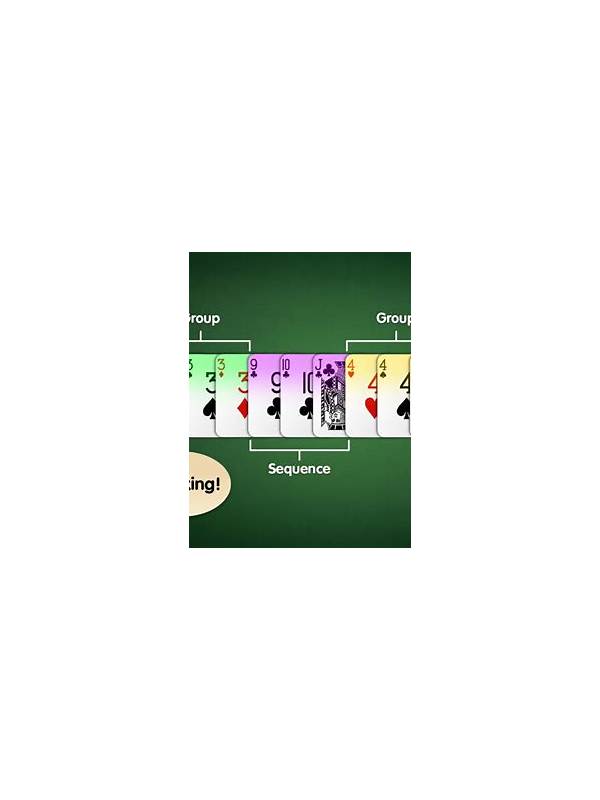
A well-organized hand does not make a weak deal strong, but it makes useful information easier to see. New players often leave cards in draw order, which hides natural sequences and encourages hurried discards. A consistent sorting method turns each turn into a short comparison instead of a complete puzzle.
Begin by grouping cards by suit. Within each suit, place cards in rank order. This immediately exposes connected cards, gaps, and isolated high cards. Do not treat every neighboring pair as a finished plan. A six and seven in the same suit are a possibility, not a promise. Mark them mentally as candidates until a third card or a broader arrangement makes the idea credible.
Next, make three mental zones. The first contains confirmed or nearly confirmed melds. The second contains flexible cards that could join more than one arrangement. The third contains isolated cards with little current support. The zones should remain movable. A card can leave the first zone if a better use appears, and an apparently weak card can become valuable after one draw.
Keep jokers and wild cards slightly separate from ordinary combinations. Their value depends on the rest of the hand, so placing one inside a tentative group can make that group look stronger than it is. Ask whether the joker is protecting a difficult sequence or merely covering a convenient gap. That question often reveals where the hand is relying too heavily on luck.
After every draw, reorganize before deciding what to discard. Check whether the new card creates a pure sequence, improves a pair, or gives a card several possible homes. Then compare the worst remaining card in each zone. This is quicker and more reliable than asking only whether the new card is “good.”
Leave a small visual gap between groups when playing physically, and use the same order on an app if the interface allows it. Consistency matters more than a particular layout. Before declaring, inspect the hand from scratch: verify every group, count the required sequences, and make sure no single card has been counted twice. Organization is useful because it supports verification as well as strategy.
If the interface automatically sorts cards, still learn to read the order rather than trusting it blindly. Different apps may group jokers, wild cards, or duplicate suits in ways that change from one screen to another. Before taking an important action, identify the card by rank and suit, not by its position alone. This is especially helpful on a small phone screen or when the hand changes quickly. A calm visual routine reduces accidental taps and makes it easier to explain your decision after the hand.