Rummy How-To: Recover After Missing a Key Draw
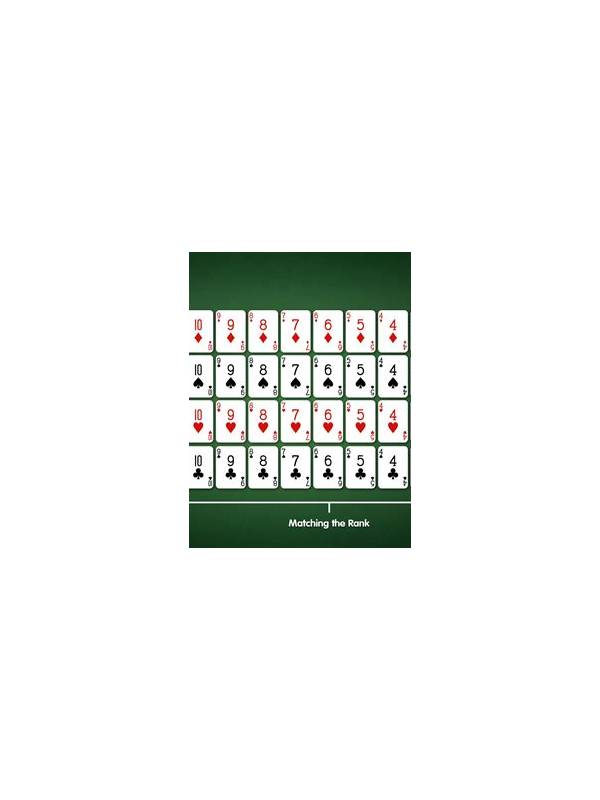
Missing a card that would complete a promising sequence can make a hand feel lost. The common mistake is to keep treating that card as the only acceptable future. Recovery begins by acknowledging the miss and rebuilding from the cards still available.
First, remove the failed assumption from the centre of attention. Ask what the current cards can form without the missing card. A partial sequence may become a shorter connection, a pair may support a set, and an isolated high card may be the clearest discard. You are not required to preserve the original idea simply because it was attractive.
Second, rank the remaining routes. Prefer a route with several plausible improving cards over one that needs a single precise card. Consider the number of cards already supporting each route and the cost of waiting. A route that leaves two expensive singles is weaker than one that creates a sound group with a modest sacrifice.
Third, choose a reset discard. This is the card that removes the most dead weight while revealing the least useful information. Do not discard automatically after the miss; verify that the card is not part of your strongest alternative. One careful reset can make later draws easier to interpret.
Finally, shorten the review horizon. Plan only the next one or two turns rather than trying to predict the complete hand. After each draw, check whether the new card confirms the revised route. Small updates prevent another weak assumption from becoming permanent.
Recovery is a normal part of rummy. A missed draw is information about what did not arrive, not proof that every later choice will fail. If you practise rebuilding from the current hand, you become less dependent on a single lucky card and more capable of adapting to changing information. Do not confuse recovery with desperate experimentation. A reset should still respect the rules, the timer, and the value of the cards left behind. If two revised routes are equally uncertain, choose the one that is easier to monitor and that leaves a clean discard next turn. You can also accept that some hands will remain difficult despite a good reset. The goal is to improve the position from its current state, not to manufacture certainty. A calm recovery protects attention for the next hand and makes the experience less dependent on whether one specific card appears. Keep the practice concrete by choosing one check to repeat at the next table. Afterward, note whether the check was easy to remember and whether it changed an action. If it did not help, remove it rather than collecting more rules. A small, dependable habit is safer and more useful than a long list that is ignored under pressure. This approach also makes later reviews easier because the reason for a decision remains visible.