Rummy How-To: Set Up a Short Deliberate Practice Session
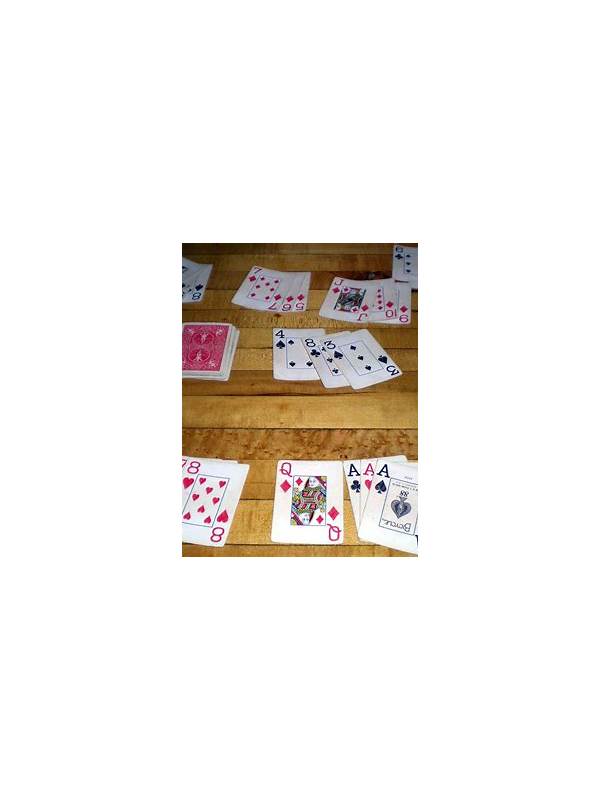
Deliberate practice works best when it has one target. Instead of playing many hands and hoping to improve generally, choose a narrow skill such as identifying fixed targets, checking declarations, or comparing a discard with a closed draw.
Start with a ten-minute preparation. Write the skill at the top of a page and define what success looks like. For example, “Before every discard, name its job and its replacement” is observable. Gather a few practice hands, either from a permitted offline exercise or a neutral card deal. Do not use real-money play as a training experiment if the rules or platform do not support it.
During the session, pause at the same point in every hand. If the target is discard comparison, stop before each discard and list two alternatives. If the target is declaration checking, inspect each group before deciding whether the hand is complete. Record only the decision and one sentence of reasoning. Long notes can distract from the skill itself.
Include a small variation. Change the turn position, remove one imagined target card, or give yourself a shorter decision window. The variation tests whether the skill is transferable. Keep it modest; changing every condition at once makes the result difficult to interpret.
End with a two-minute review. Count how often you performed the target behavior, not only how often the outcome was good. A correct process can produce an unlucky draw. Note one situation that felt unclear and turn it into the next session’s example. Then stop. Repeating practice while tired usually adds noise rather than learning.
Keep safety boundaries around the routine. Use a timer, take a screen break, and never extend the session to chase a result. If you are practicing a money-related decision, use no stake or a clearly affordable fixed amount, and respect local requirements and platform rules.
Short deliberate sessions create a feedback loop: define, pause, record, vary, review. The loop is valuable because it makes improvement measurable. You do not need a large sample or a dramatic strategy. One clearly observed decision, repeated with attention, can become a reliable habit.
Vary the target only after you have collected enough examples to notice a pattern. Changing the lesson after every difficult hand makes practice reactive. A stable target gives you a fairer view of progress.