
Rummy How-To: Test a Plan With a Blank Card
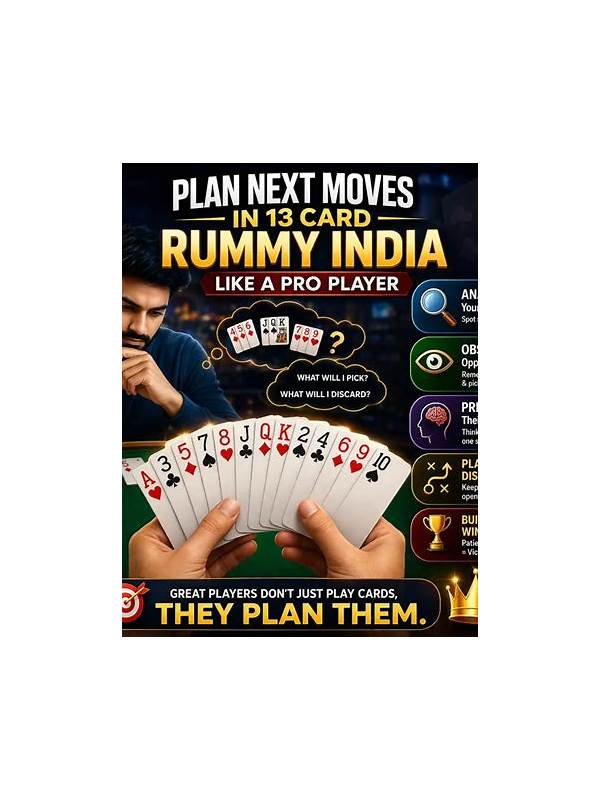
The blank-card exercise is a paper practice method. Replace one unknown future card with a blank and ask how the hand would be handled if that card did not arrive. The exercise exposes plans that look strong only because they quietly assume a perfect draw.
Use blank cards sparingly. If every possible card is represented as a blank, the exercise loses its decision focus. One blank should challenge one dependency, leaving enough of the hand visible to compare routes. Replace the blank with a real card only after you have written the backup response.
Write a sample hand and arrange its confirmed groups, possible groups, and unassigned cards. Add a blank to the route that seems most attractive. Then decide what you would discard, protect, or rebuild if the blank remained unavailable for one turn. Do not fill it with a guessed rank during the first pass.
Next compare the plan with a second route that needs a different missing card. Which route leaves more useful cards outside the blank? Which one can be abandoned without damaging a confirmed group? The answer does not identify a guaranteed winner; it shows the cost of dependence.
Repeat the drill with the blank placed in a different group. This teaches flexibility and prevents the method from becoming a single favorite pattern. Use actual variant rules when deciding whether a partial group is legal or merely promising.
Keep the exercise slow at first, then limit yourself to a minute. A useful note contains the original plan, the blank location, the backup action, and the reason. Avoid judging the exercise by whether the missing card would eventually appear in a real deal.
The blank is a reminder that uncertainty is part of the hand. A plan that remains understandable when one expected card is absent is easier to manage under time pressure. Practice with a standard deck or paper list, and keep the drill separate from money or live account decisions. The blank can also represent a rule you have not confirmed. In that version of the drill, practice the response to uncertainty: pause, consult the proper reference, and avoid declaring until the requirement is clear. This combines strategic flexibility with safe rule handling and is valuable when switching formats. The exercise is particularly helpful for players who repeatedly say, “I only needed one more card.” Ask whether the plan had a response for not receiving that card. If not, the blank has identified a planning gap that can be addressed before the next practice hand.


